

Business
Federal Grants in Idaho for Rural Communities and Public Services

Idaho communities can look to federal grants for support with projects that improve public services, strengthen rural areas, and expand opportunity for residents. Eligible work can include workforce training, health access, community facilities, conservation, housing, transportation planning, education, public safety, and economic development. The most useful federal opportunity is not always the largest award. It is the one that fits the applicant’s legal eligibility, the community need, and the organization’s ability to complete the work and meet reporting requirements.
Understanding Federal Support in Idaho
Distance can be a central consideration for Idaho projects. A program serving a small town, agricultural area, tribal community, or remote county may need to address travel, communications, staffing, or participant access differently than a program based in a larger city. The proposal should identify these factors early, because they affect project design and cost. A generic service model is less convincing than an approach that shows how residents will learn about the program, participate in it, and receive follow-up support.
Funding Projects From Planning Through Delivery
Federal funding can help applicants move a project through distinct phases. A community development effort may begin with a needs assessment, planning process, engineering work, or public engagement. Once the project is active, funding may support program staff, equipment, materials, training, technical assistance, facility improvements, or data collection. Applicants should distinguish between what is needed now and what will be sustained later. That separation makes it easier to explain the grant request and to avoid promising costs that the organization cannot continue after the award ends.
Starting With the Right Applicant and Partnership
Idaho nonprofits, local governments, schools, extension services, employers, and public agencies can work together when their roles are clear. A nonprofit may deliver outreach and participant support, while a public partner provides oversight or a required match. A college or employer may contribute instruction or labor-market knowledge. These arrangements should be developed around practical delivery. Each partner should understand timelines, recordkeeping duties, and who will resolve issues if the scope of work changes.
When reviewing possible grants, Idaho applicants should look beyond a program title. They should read the eligibility rules, geographic scope, matching requirements, allowable costs, application timing, and reporting obligations. A project that sounds promising may not fit if the organization cannot meet a required match, operate on the expected schedule, or document intended outcomes. A modest program that closely matches the federal purpose is often stronger than a larger proposal that tries to cover too many unrelated activities.
Creating a Practical Idaho Grant Strategy
A workforce project might monitor training completion, employer engagement, or participant referrals. A community-facility effort could track use of improved space, services offered, or residents reached. A conservation project may record plans completed, technical assistance delivered, or landowners participating. Choosing a small number of useful measures helps staff manage the project and gives funders a clear view of progress.
Community communication should be part of the delivery plan, not an afterthought. Residents and potential participants need to know who the project serves, what assistance or activity is offered, whether there are eligibility steps, and how to ask questions. Plain language, accessible materials, and trusted referral partners can improve participation. Idaho applicants should also create a way to hear from participants during implementation, so the organization can identify barriers early and make reasonable adjustments while staying within the approved project scope. Program staff should document recurring questions and use them to improve outreach, participant materials, and follow-up without changing the approved purpose of the grant.
A careful budget gives the project its operational backbone. In Idaho, applicants should identify the staff time, materials, equipment, contracted expertise, outreach, and evaluation activities that are genuinely needed for delivery. If a cost will be shared by a partner or covered after the award period, that role should be stated clearly. This helps reviewers see that the proposed grant amount is connected to a manageable scope of work, rather than an estimate built around general organizational needs.
Organizations should also be candid about what they can sustain. Federal funding can launch or expand a service, but it may not support every future expense. A practical application explains how the organization will preserve useful partnerships, maintain equipment, continue referrals, or seek later support when the project period concludes. This does not require a promise of permanent funding. It shows that leaders have considered how the work will remain responsible once the original award is complete.
A thoughtful review of grants for nonprofits funding also helps leaders assess compliance before applying. Federal awards can require financial controls, procurement practices, progress reports, record retention, and careful handling of participant information. The organization should decide in advance who will manage these responsibilities and how documentation will be retained. Clear agreements and practical reporting systems can prevent administrative problems from becoming obstacles to the community work the funding was intended to support.
Idaho applicants can use federal grants to support projects that are responsive to place, access, and long-term capacity. The strongest proposals explain the local need, select realistic activities, build partnerships that can deliver, and connect every use of funds to a measurable public benefit.

Money you’ve earned but haven’t collected can’t pay salaries, vendors or growth plans. That’s why the order-to-cash (O2C) cycle deserves as much attention as sales itself. Small delays at each stage slow cash flow and increase finance’s workload.
This guide covers what O2C involves, where it breaks, and ten practices to fix it.
What Is Order-to-Cash?
Order-to-cash is the process that runs from the moment a customer places an order until the company receives and reconciles payment. It also forms part of the wider quote-to-cash process.
Key O2C Stages
A common view breaks the cycle into five stages:
- Order management: Capture and validate the order.
- Fulfilment: Deliver the goods or services.
- Invoicing: Bill accurately and on time.
- Collections: Follow up on unpaid invoices.
- Reconciliation: Match payments to invoices and report.
Some guides expand these into eight or ten steps, adding credit management, payment processing and reporting. The core flow stays the same.
Why O2C Optimisation Matters
A slow cycle ties up cash in receivables. Days sales outstanding (DSO) measures that delay and is usually calculated as accounts receivable divided by credit sales, multiplied by the number of days in the period. A high DSO limits liquidity, while a lower DSO indicates efficient credit and collections management.
Working capital, billing accuracy, and customer experience are all connected. Errors that delay an invoice also delay payment, while confusing bills can frustrate customers who would otherwise pay on time. Order to cash software helps streamline the entire process by automating reminders, dispute handling, and cash application, reducing DSO and improving working capital.
Here’s a point worth remembering: DSO problems often begin before an invoice exists.
Common O2C Challenges
Four problems slow many O2C cycles:
- Manual entry: Re-keying data across systems invites mistakes.
- Invoice errors: Wrong prices, taxes or terms trigger rework.
- Disputes: They slow payment and push DSO up.
- Delayed payments: Unclear terms and limited payment options hold up cash.
Each problem feeds the next. A manual entry error becomes an invoice error, which becomes a dispute, which becomes a delayed payment. Fixing one link only goes so far if the rest of the chain stays unchanged.
10 O2C Best Practices
1. Standardise Order Data
Keep customer, pricing and contract records consistent from the first touchpoint. When sales, finance and operations each hold a different version, errors travel downstream. A single source for these records removes a common cause of errors. Standard fields for customer names, tax details and payment terms make later matching far easier.
2. Automate Billing
Reduce manual work and issue invoices promptly. Every day between delivery and invoice is a day added to your cash cycle. Automation triggers invoices from contract terms or usage instead of waiting for someone to prepare them.
3. Improve Invoice Accuracy
Validate charges, taxes, terms and purchase order details before an invoice goes out. Catching a wrong PO number before sending is far cheaper than fixing it after the customer rejects the invoice. Matching invoice details to the purchase order also reduces the chance of a customer rejecting the bill. How often do your invoices come back?
4. Connect Business Systems
Integrate CRM, CPQ, billing, ERP and accounting tools so data moves once instead of requiring retyping. Order accuracy improves, and finance stops chasing sales for missing details. Imagine closing a quarter without a single request to confirm a customer’s billing address.
5. Simplify Payments
Clarify payment terms on every quote and invoice, and offer payment methods that suit your customers.
6. Improve Collections
Send reminders before and after the due date, and prioritise overdue accounts by size and risk. Zenskar’s collections module, For instance, offers invoice payment reminders, customer segments by payment status and aging, and identification of at-risk customers. Steady follow-up usually works better than occasional bursts of chasing.
7. Resolve Disputes Quickly
Track every dispute, assign an owner and look for patterns. If the same invoice problem keeps appearing, fix its cause at the source instead of resolving it one ticket at a time. Disputes slow payment, so speed matters. A short feedback loop between collections, billing and sales helps here.
8. Automate Cash Application
Match incoming payments to open invoices automatically and flag exceptions for review. Unapplied cash is money received but not yet matched, and it can distort customer balances until someone clears it. Accurate matching also keeps collectors from chasing invoices that have already been paid.
9. Track O2C KPIs
Monitor DSO, overdue invoices, disputes and unapplied cash on a regular schedule. Consistent tracking shows whether changes help or just move the problem elsewhere.
10. Improve Continuously
Review bottlenecks each quarter and measure whether each fix worked. Treat order to cash as a process you tune, not a project you finish. Small, steady gains often compound over time.
Measuring O2C Performance
Common choices include:
- DSO: Average days to collect payment after a sale.
- Best possible DSO: The DSO you’d see if no invoice were overdue.
- Order-to-cash cycle time: Total time from order to cash.
- Days between delivery and billing: A direct view of invoicing delays.
- Average days unapplied cash: How long payments wait to be matched.
- Cash application match rate: Share of payments matched automatically.
Review them together, because one number rarely tells the full story. Context matters too. If your best possible DSO is 30 days and the actual DSO is 32, collections are in good shape. At 50, the collections process needs attention.
Technology for O2C
Automation and integration reduce the manual touchpoints that cause many delays. Look for tools that connect order data, billing, collections and accounting in one flow instead of passing spreadsheets between teams.
Zone & Co’s whitepaper reports DSO runs about 30% longer without automation. Treat figures like that as something to test in your own business, not a promise.
Zenskar’s website describes a platform that sits between CRM or CPQ and ERP systems to automate billing, collections, revenue recognition and analytics. It cites collections that are 50% faster, with quicker invoicing and automated reminders, though results will vary depending on where you start.
Whatever you choose, test it on your messiest scenarios first, such as partial payments or mid-term contract changes.
Conclusion
Optimising order-to-cash isn’t about one big fix. It’s about clean data at the start, prompt and accurate invoices, steady follow-up and clear measurement at the end. For businesses managing recurring payments, Recurring subscription billing software can help streamline billing processes and improve invoice accuracy. Start with the stage that hurts most, whether that’s invoicing delays, disputes or unapplied cash, and build from there. Which stage will you tackle first?

Winning a major construction contract can change the path of our business. Every week, public agencies and private firms release new project demands across various sectors. Finding the right building tenders requires clear eyes and careful study. We often see talented teams lose bids simply because they missed a tiny detail in the paperwork early on.
At Tender Impulse, we track procurement opportunities across the world. Our main goal is to help your team navigate these complex choices with clarity. Before spending time and money on a bid we need to check several key areas.
Preparing a bid takes real work. Our team must look at costs, time schedules, and legal rules right away. Skipping simple steps can lead to lost time or financial loss. Careful preparation helps us pick the best jobs and bid with confidence.
Understanding the Landscape of construction tenders
The world of public and private work moves fast. When we search a tender website for new jobs, the options look endless. Yet, not every opportunity matches our core strengths or budget.
Applying for work takes time. Writing bids costs money. Doing research first keeps us focused on jobs we can win. Here is what we always review first:
- Overall project scale and total budget limits.
- Geographic location and physical site access.
- Working capital requirements and cash reserves.
- Timeframe, completion milestones, and schedule flexibility.
- Local subcontractor availability and labor costs.
Filtering options early saves valuable effort. This helps us direct our best energy toward bids where we stand a real chance of success.
Key Checklist Before Submitting Your Proposal
Taking a systematic approach prevents major errors later. We split our initial review process into four simple parts to cover every critical angle.
-
Financial Capacity and Cash Flow Requirements
Cash flow can make or break a project. Client payments often take thirty to ninety days to process. We must make sure our business can pay for labor, materials, and equipment during those gaps.
- Available bank credit lines and working capital reserves.
- Performance bonds and bid security deposit requirements.
- Audited financial statements and balance sheets from past years.
- Insurance coverage limits for site safety and general liability.
If the project needs more capital than we hold, we risk heavy financial stress. Honesty with ourselves about our balance sheet keeps our finances safe and steady.
-
Technical Eligibility and Credentials
Every project owner sets strict baseline rules. If we miss even one technical requirement, our proposal gets rejected immediately. We check past project records to prove we can handle the work.
- Similar projects finished within the last five years.
- Valid trade licenses and regional industry certifications.
- Qualified staff members, project managers, and key engineers.
- Clean safety records and certified quality management standards.
Winning a bid requires clear proof of skill. We assemble these documents before drafting any part of our bid response.
-
Project Scope and On-Site Feasibility
Reading the technical drawings carefully is vital. Sometimes, project plans sound great on paper but present huge hurdles on site. This rule applies whether we look at road construction tenders or commercial high-rise projects.
- Soil conditions, elevation, and ground stability.
- Access roads for heavy trucks and specialized machinery.
- Local permit needs and environmental protection rules.
- Material supply chains and local vendor availability.
Site visits are essential whenever allowed by the client. We have all been there, seeing the actual ground clears up confusion and prevents unexpected delays during building.
-
Mandatory Documentation and Contract Clauses
Legal terms dictate our profit margins and risk levels. We carefully examine Tenders and Contracts to spot strict penalty rules or unusual requirements.
- Late completion damages and liquidated penalty fees.
- Price escalation clauses for raw materials like steel or cement.
- Payment schedules, milestone terms, and retention money percentages.
- Dispute resolution methods and early contract termination terms.
Understanding these conditions helps us price our bid accurately while protecting our bottom line.
Essential Verification Steps Comparison
Comparing key factors side by side helps our team make quick decisions. This clear breakdown highlights what to check during early reviews.
| Review Category | Primary Focus Items | Mandatory Records | Main Risk Factor |
| Financial Health | Cash flow, credit lines, bond limits | Bank letters, audit reports | Shortage of funds during build |
| Technical Skill | Past projects, staff skills | Work completion certificates | Immediate disqualification |
| Legal Terms | Contract terms, liability rules | Signed Tenders and Contracts | Unfair penalty fees |
| Site Operations | Soil stability, material delivery | Site inspection logs, risk plans | Unexpected delay costs |
How to Find the Right Opportunities Efficiently
Searching through dozens of individual buyer portals takes up precious hours. Using a single, reliable platform simplifies the entire search effort for our team.
When we use Tender Impulse, we get access to thousands of live notices from local and international buyers. Selecting a reliable tender website lets us filter searches by region, sector, and contract value.
- Set up daily email alerts for building tenders.
- Filter jobs by budget size to avoid overextending resources.
- Save preferred categories like commercial buildings or civil works.
- Download official tender documents early to review submission deadlines.
Staying organized gives us more time to prepare winning documents instead of chasing unsuitable leads.
Smart Planning in tender bidding
The process of tender bidding requires strict discipline. Preparing a response isn’t just about offering the lowest price. It demands accuracy, clear pricing models, and compliance with all instructions.
- Read the instruction manual at least twice before writing.
- Fill out every form using the exact requested format.
- Double check all mathematical calculations across every budget sheet.
- Submit our proposal hours before the final official deadline.
Follow these steps during tender bidding to keep our proposals clean and competitive. A professional submission builds trust with buyers right from the start.
Common Mistakes in tender bidding
Even experienced teams make small errors during tender bidding that lead to lost opportunities. Learning from past mistakes helps us refine our overall approach.
- Missing submission deadlines by even a few minutes.
- Submitting outdated financial statements or expired certificates.
- Failing to sign required legal forms or indemnity bonds.
- Ignoring local labor rules or environmental guidelines.
- Underestimating raw material prices in long-term construction projects.
Using a standardized review checklist helps us spot these simple mistakes before sending off our final files.
Mastering the Final Submission Process
Before hitting send or dropping off hard copies we perform one last review round. Successful tender bidding relies on thorough preparation.
- Check off every item on the client’s mandatory list.
- Confirm that all team members signed their required papers.
- Ensure all numbers in our financial bid align with our budget sheets.
- Verify that uploaded digital files open cleanly without formatting errors.
Strategic effort relies on thorough preparation. Taking time to verify every single detail grows our chances of winning new business.
Winning Projects with Strategic Preparation
Entering the market for construction tenders brings great growth opportunities. By checking financial limits, site conditions, legal clauses, and technical rules early, we protect our business while building strong bids. Reliable tools and platforms like Tender Impulse make finding and tracking these contracts much easier. When we approach every project with thorough checks, clear planning, and accurate numbers, we set our team up for steady success.
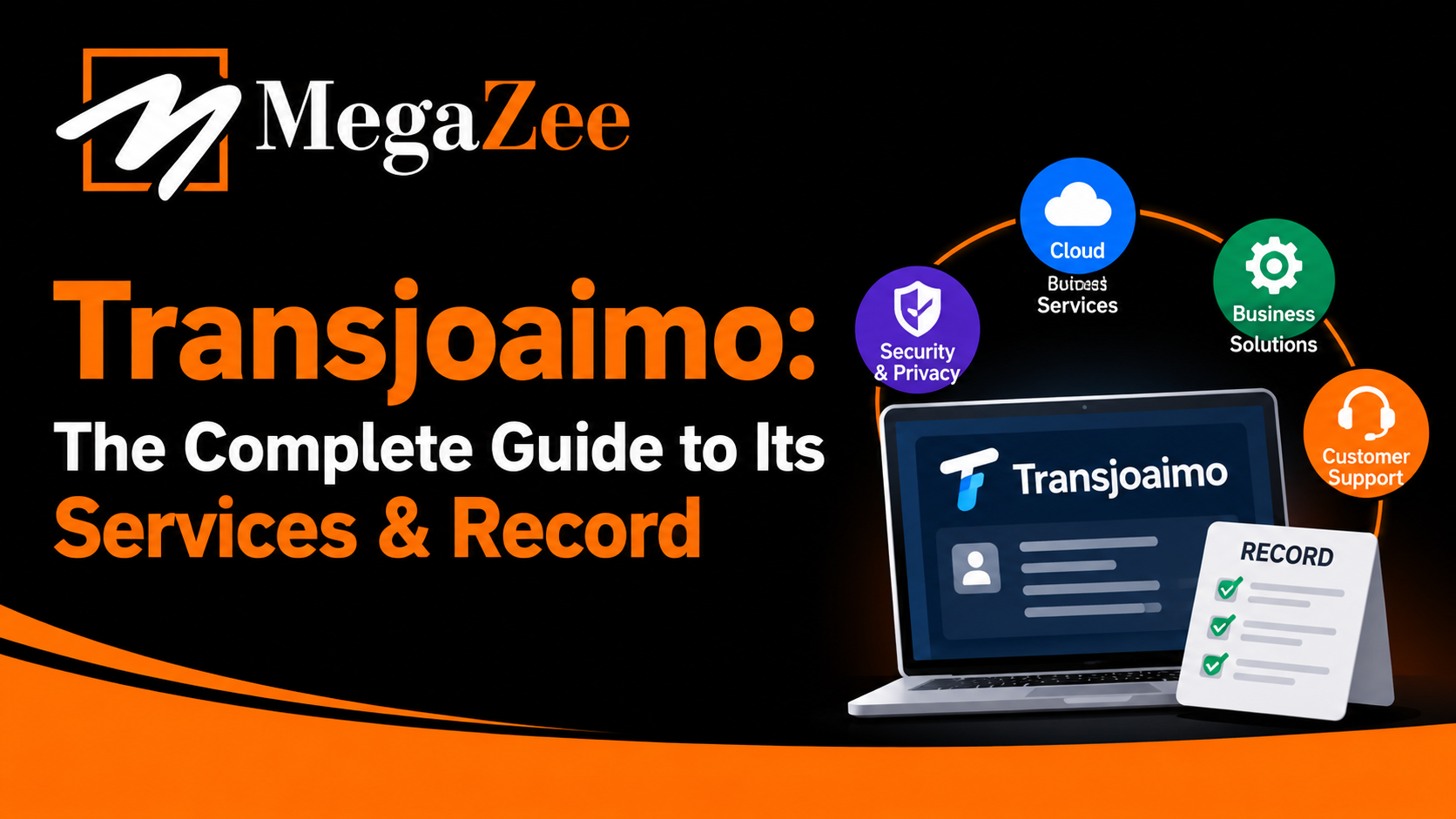
Transjoaimo is a term that can attract attention from readers looking for information about its services, background, record, and overall significance. When a name is unfamiliar, people naturally want to understand what it represents, what it offers, and whether there is enough reliable information available to evaluate it. This guide brings those questions together in one easy-to-follow overview.
Understanding Transjoaimo requires looking beyond the name itself. A useful guide should explain the possible service context, how its record can be assessed, what users should consider before relying on available information, and why clear documentation matters. The goal is to provide practical context without making unsupported claims.
What Is Transjoaimo?
Transjoaimo is a term that may appear in searches where readers are trying to identify a service, operation, online presence, or organization associated with that name. Because unfamiliar names can sometimes have limited publicly available information, it is important to distinguish confirmed details from assumptions. Readers should therefore consider the source and date of any information they encounter.
The meaning and relevance of Transjoaimo ultimately depend on the context in which the name is being used. A service-oriented interpretation may lead readers toward questions about its offerings and operating history, while a broader interpretation may require looking at its online presence and available records. This makes careful research especially important.
Transjoaimo Services and What They May Include
When people search for Transjoaimo services, their main interest is usually understanding what is actually offered and how those services work. Service information should ideally explain the purpose of the operation, the people or customers it serves, and the type of value it aims to provide. Clear descriptions make it easier for readers to determine whether something is relevant to their needs.
A responsible evaluation should also look at how services are presented. Transparent pricing, understandable terms, accessible customer information, and identifiable contact channels can all contribute to a stronger impression. If these details are difficult to verify, readers should avoid treating promotional descriptions as established facts.
Understanding the Transjoaimo Record
The word “record” can refer to several different things. It may describe an organization’s operating history, previous work, public reputation, documented activity, or available information about its performance. For Transjoaimo, the safest approach is to examine the specific type of record being discussed rather than assuming that the word automatically means a particular achievement or history.
A credible record should be supported by information that can be independently checked. Official documentation, established publications, dated announcements, customer-facing records, or other trustworthy sources can provide stronger evidence than anonymous posts or unsupported claims. This distinction becomes particularly important when a relatively unfamiliar name receives attention online.
Why Transjoaimo Has Drawn Interest
Unfamiliar terms often become popular in search results because people encounter them through websites, social media, business references, or other online channels. Once interest begins growing, users may search for background information simply because they want to know what the term means. Transjoaimo can therefore generate questions even when detailed public information is not immediately available.
Search interest does not necessarily prove that a service or organization is established, successful, or trustworthy. It simply shows that people are looking for information. For that reason, readers should separate popularity from credibility and investigate the available evidence before making important decisions based on what they find.
How to Evaluate Transjoaimo Information
One of the most important steps when researching Transjoaimo is checking the quality of the source. A page with a professional appearance is not automatically reliable, just as a short page is not necessarily inaccurate. Readers should look for consistent information, identifiable ownership, dates, contact details, and evidence that supports important statements.
It is also useful to compare information across multiple independent sources. If the same basic details appear consistently in credible places, confidence can increase. On the other hand, if major claims appear only on one website or are repeated by pages that all seem to copy the same wording, those claims should be treated cautiously.
Transjoaimo and Online Reputation
Online reputation can strongly influence how people perceive an unfamiliar service or name. Reviews, discussions, mentions, and customer experiences may provide useful clues, but they should not be considered conclusive evidence on their own. Individual experiences can vary considerably, and online comments may not always represent the full picture.
A stronger reputation assessment combines different types of evidence. Readers can consider the age and consistency of available information, how openly the service communicates, whether complaints receive responses, and whether positive claims have independent support. Looking at the overall pattern is usually more useful than relying on a single review.
Services, Reliability, and Transparency
Reliability is an important consideration whenever someone is thinking about using an unfamiliar service. Transjoaimo should therefore be evaluated according to the same basic standards applied to any other service provider or online operation. Users should be able to understand what they are receiving, what obligations they have, and where to seek assistance if something goes wrong.
Transparency can make a significant difference. Clearly written service descriptions, accessible policies, realistic claims, and verifiable information help users make informed decisions. When important information is missing or unusually difficult to confirm, that uncertainty should become part of the evaluation rather than being ignored.
What the Transjoaimo Record Can Tell Readers
A record is most useful when it provides context rather than simply presenting impressive-sounding claims. Readers interested in Transjoaimo should consider how long relevant activity has existed, what evidence is available, and whether previous claims can be verified. Historical information can help reveal whether an operation has demonstrated consistency over time.
However, the absence of a large public record does not automatically prove that something is illegitimate. Smaller organizations, newer services, and lesser-known operations may naturally have limited online documentation. The key issue is whether the information that does exist is coherent, transparent, and capable of being independently checked.
Common Questions About Transjoaimo
People searching for Transjoaimo may have different reasons for doing so. Some may simply want to understand the term, while others may be researching its services or trying to establish whether information found online is reliable. These questions are best approached with an evidence-based mindset instead of relying on assumptions.
Because the available context surrounding unfamiliar terms can change over time, readers should also pay attention to dates. A page published several years ago may no longer accurately describe current services or operations. Checking recent information is especially important when the decision involves money, personal information, contracts, or other significant commitments.
Is Transjoaimo a Service or a Brand?
The answer depends on the context in which the name is being used. A name can represent a service, company, platform, project, or another type of operation, and the name alone does not establish its legal or commercial status. Readers should look for authoritative information before assigning a specific category to it.
This is particularly important for SEO and online research because similar names can sometimes refer to completely different entities. A page discussing Transjoaimo should therefore provide enough context to help readers understand exactly what is being discussed rather than presenting assumptions as established facts.
How to Research Transjoaimo Safely
Researching an unfamiliar name online should begin with basic verification. Readers can examine the source of the information, check whether the website provides identifiable ownership details, and compare important claims with independent sources. These simple steps can prevent misunderstandings caused by copied, outdated, or exaggerated information.
Users should be especially careful before sharing sensitive information or making financial commitments. A convincing website does not by itself establish legitimacy. Taking time to verify contact information, policies, registration details where relevant, and independent references can provide a much stronger basis for a decision.
The Importance of Accurate Information
Accurate information matters because online searches can quickly spread an incorrect interpretation of a relatively unfamiliar term. Once an unsupported statement appears on several websites, repetition can make it look more credible than it actually is. Readers should therefore focus on evidence rather than the number of pages making the same claim.
For content creators, the same principle applies. Articles about Transjoaimo should avoid invented statistics, unsupported history, fictional services, or claims that cannot be verified. A useful informational article should clearly distinguish known facts from areas where additional confirmation is required.
Transjoaimo in the Future
The future relevance of Transjoaimo will depend largely on how the name develops and how much reliable information becomes publicly available. If it represents an active service or organization, clearer documentation and consistent communication can make it easier for users to understand its role. Increased public information can also make its record easier to evaluate.
For readers, the best approach is to remain open but cautious. New information may change the way the term is understood, particularly if official sources, established publications, or direct documentation become available. Keeping research current is therefore more valuable than relying permanently on an old description.
Conclusion
Transjoaimo is a term that requires context before firm conclusions can be drawn about its services, identity, or record. The most useful way to research it is to examine available evidence, understand the context in which the name appears, and separate verified information from assumptions. This approach gives readers a clearer and more balanced understanding.
The Transjoaimo record should ultimately be judged through transparency, consistency, independent verification, and the quality of available documentation. Whether someone is simply researching the term or considering a related service, careful verification remains the safest approach. As more reliable information becomes available, the overall picture can become clearer and easier to evaluate.
-

 Fashion1 month ago
Blazertje: Complete Style Guide for Every Occasion and Season
-
 Culture2 weeks ago
Anheihe: A Hidden Beautiful Place in Modern Culture and History
-

 Technology1 month ago
Inurl:megazee.com: What Users Are Saying About the New Digital Platform
-

 Technology2 weeks ago
Weakspurn.com: A Safety Guide Protecting Yourself on Unknown Sites
-

 Health2 weeks ago
Sosoactive Co: Finding the Perfect Fit for Your Training Routine
-

 Entertainment2 months ago
What Is CricFooty? The Ultimate Hub for Live Sports Updates
-

 History1 month ago
Cumhuritey: The History and Evolution of Turkey’s Iconic Daily
-

 Entertainment2 months ago
Babybelletje: A Journey into Dutch Childhood Memories
-

 Business2 months ago
Kársperski: The Journey of a Digital Security Pioneer
-

 Technology2 months ago
Nebs6ak: How can it Transforming Industries One Step at a Time
-

 Technology2 weeks ago
Megazee.com: A Growing Source for Business, News, Trends, and Insights
-

 Science2 months ago
Cyanová: The Fascinating Science Behind This Unique Color