Baby Safety
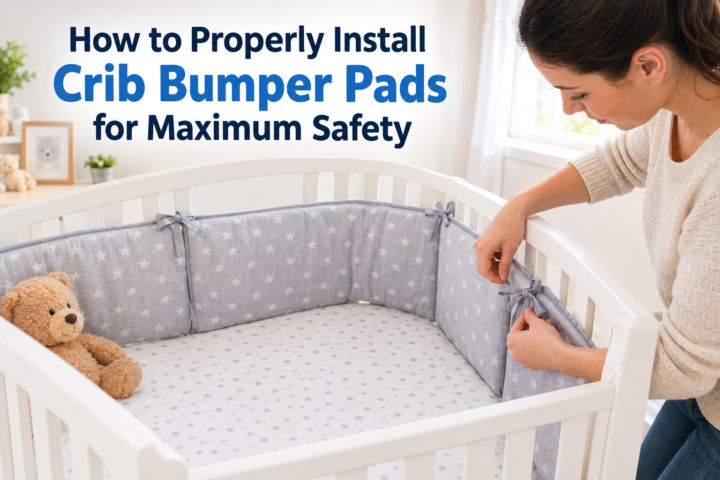
How to Properly Install Crib Bumper Pads for Maximum Safety

Creating a safe sleeping environment is one of the most important responsibilities for new parents. When preparing a nursery, many parents consider accessories such as crib mattresses, fitted sheets, blankets, and bumper pads to make their baby’s sleeping space comfortable. How to Properly Install Crib Bumper Pads for Maximum Safety is a topic that deserves particular attention because traditional crib bumper pads can pose serious risks to infants.
Although crib bumper pads were once commonly used to prevent babies from bumping their heads or getting their limbs caught between crib slats, current safe-sleep guidance recommends keeping them out of an infant’s sleeping area. Understanding the potential dangers, safety recommendations, and suitable alternatives can help parents make informed decisions and create a safer nursery for their little ones.
Understanding Crib Bumper Pads and Their Purpose
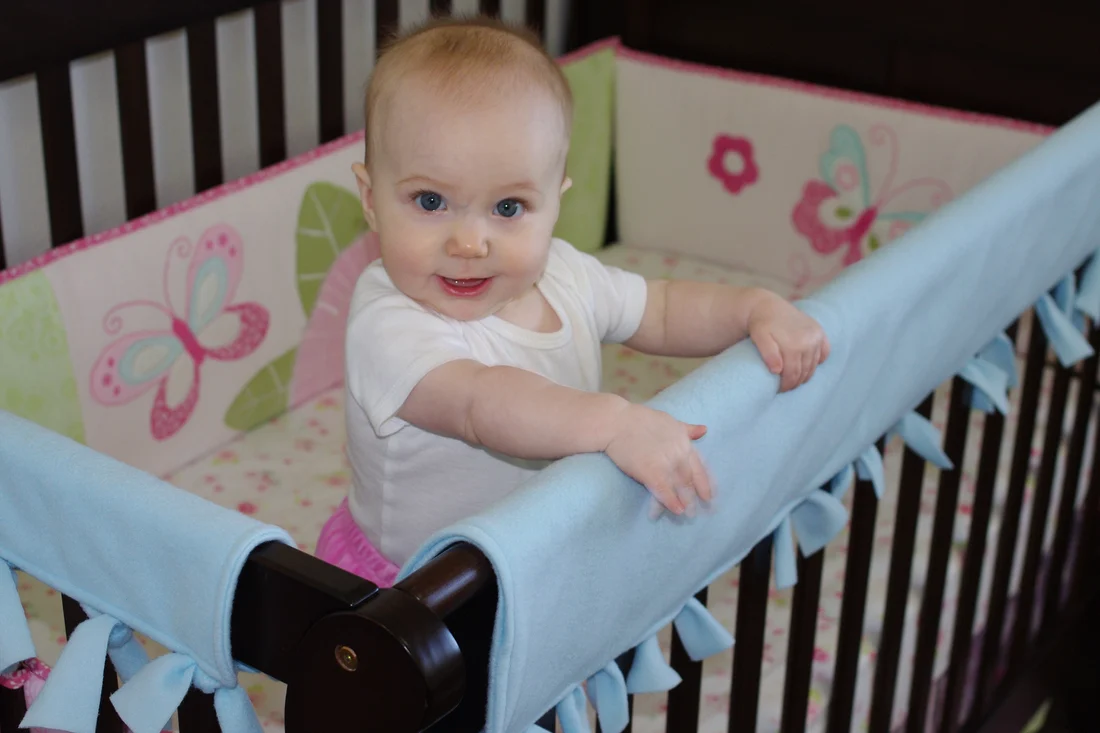
Crib bumper pads are padded materials traditionally designed to attach to the inside rails of a baby’s crib. They were originally marketed to prevent infants from bumping their heads against wooden slats, getting their arms or legs caught between bars, or experiencing discomfort while moving during sleep. They are available in different materials, colours, thicknesses, and designs to match nursery decorations.
However, modern crib safety standards have reduced the need for these products. The American Academy of Pediatrics (AAP) does not recommend crib bumper pads because they can introduce risks without providing proven safety benefits. Potential hazards include suffocation, entrapment, and strangulation from bumper ties.
Why Installing Crib Bumper Pads Can Be Dangerous
The most significant concern with traditional crib bumper pads is the risk of suffocation. Babies have limited head and neck control, particularly during their first few months. If an infant rolls or moves and presses their face against a soft bumper, they may be unable to move away, potentially obstructing their breathing. Firm bumper pads can also create dangerous gaps where a baby may become trapped.
Ties, ribbons, and other fasteners present an additional strangulation hazard if they become loose or accessible to the baby. Even products marketed as breathable or designed to prevent entrapment should not automatically be considered safe for infant sleep. The AAP advises against padded bumpers and similar products attached to crib sides because the potential risks outweigh their unproven benefits.
How to Prepare a Safe Crib Without Bumper Pads
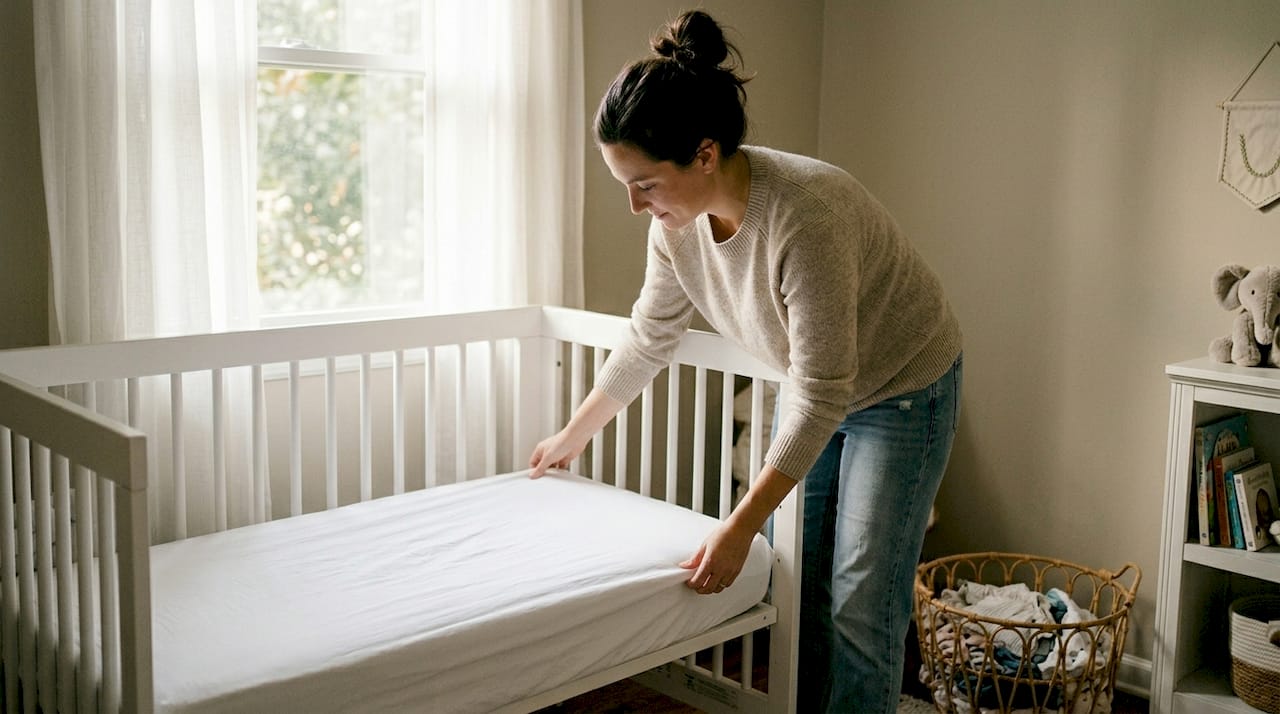
The safest way to prepare an infant’s crib is to use a firm, flat mattress designed specifically for that crib, covered with a tightly fitted sheet. The mattress should fit securely without large gaps around the edges. The crib itself should meet applicable safety standards, with properly spaced slats and no broken, loose, or missing parts.
Keep the sleeping area free of pillows, stuffed toys, loose blankets, quilts, decorative cushions, and padded accessories. Place your baby on their back for every sleep, including naps, and use appropriately sized sleep clothing or a wearable blanket if additional warmth is needed. These simple precautions help create a clear sleeping environment without introducing unnecessary hazards.
Safe Alternatives to Crib Bumper Pads
Parents who are concerned about their baby’s arms or legs slipping between crib slats can choose a crib that complies with current safety standards. Modern cribs are designed with regulated slat spacing to reduce the risk of head entrapment. Babies may occasionally bump against the crib rails as they develop mobility, but minor bumps generally do not justify introducing potentially hazardous padded barriers.
Wearable blankets are a useful alternative to loose bedding when parents want to keep their baby warm. They are designed to be worn over suitable sleepwear and should be correctly sized, unweighted, and appropriate for the baby’s age and development. A fitted crib sheet and a safe sleep surface are sufficient for the sleeping environment; additional padding is unnecessary.
How to Choose a Safe and Reliable Baby Crib
Choosing a suitable crib is an important part of nursery preparation. Look for a sturdy construction, secure joints, appropriate mattress support, and slats that comply with applicable local safety requirements. Avoid older or damaged cribs, particularly those with missing parts, loose rails, or designs that no longer meet modern safety standards.
Before purchasing a crib, check the manufacturer’s instructions, recommended mattress dimensions, age and weight limits, and any available product recalls. In the United States, the Consumer Product Safety Commission (CPSC) has established requirements concerning crib bumpers and other infant sleep products. Its rules prohibit the sale, distribution, manufacture for sale, and importation of crib bumpers in the US.
What to Do If Your Crib Already Has Bumper Pads
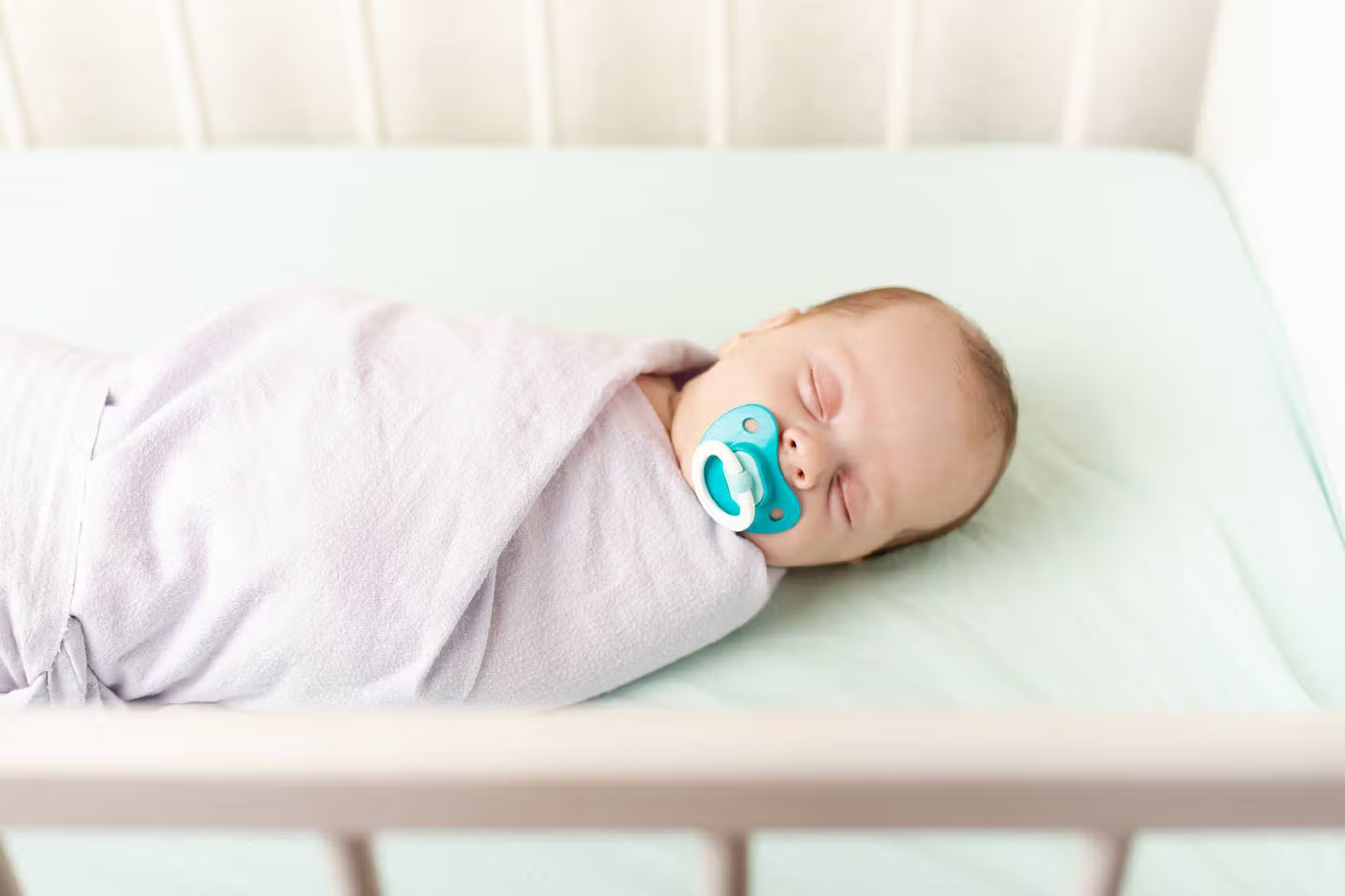
If your baby’s crib currently has padded bumper pads installed, remove them before using the crib for sleep. Unfasten the attachments carefully and remove all padding, ribbons, ties, and other loose components from the sleeping area. Check the crib rails and mattress to make sure there are no loose parts, damaged sections, or other potential hazards.
If you are concerned that your baby is bumping into the crib rails, consult your paediatrician for individual guidance. Avoid replacing traditional bumpers with other padded products or accessories that attach to the crib sides. Regularly inspect the sleeping area to ensure that it remains clear, stable, and suitable for your baby’s developmental stage.
Maintaining a Safe Sleeping Environment as Your Baby Grows
A baby’s sleep requirements change as they develop. During the early months, infants have limited mobility, but they gradually gain the ability to roll, reach, and move around the crib. Keeping the sleeping space free from padded barriers and loose objects is important throughout infancy, even as your baby becomes more active.
As your child grows, follow the crib manufacturer’s guidance about mattress height adjustments and when to transition to a suitable toddler bed. Continue placing infants on their backs at the beginning of every sleep, while allowing babies who can independently roll in both directions to find their own sleeping position. Maintain a firm, flat, uncluttered sleep surface and regularly check the crib for damage or recalled components.

-

 Fashion1 week ago
Blazertje: Complete Style Guide for Every Occasion and Season
-

 Culture4 weeks ago
Anheihe: A Hidden Beautiful Place in Modern Culture and History
-

 Technology4 days ago
Weakspurn.com: A Safety Guide Protecting Yourself on Unknown Sites
-

 Technology2 weeks ago
Inurl:megazee.com: What Users Are Saying About the New Digital Platform
-

 Entertainment1 month ago
What Is CricFooty? The Ultimate Hub for Live Sports Updates
-

 Health1 month ago
Sosoactive Co: Finding the Perfect Fit for Your Training Routine
-

 History1 week ago
Cumhuritey: The History and Evolution of Turkey’s Iconic Daily
-

 Business4 weeks ago
Kársperski: The Journey of a Digital Security Pioneer
-

 Technology1 week ago
Nelonium: The Future of Energy Solutions Technology
-

 Science4 weeks ago
Cyanová: The Fascinating Science Behind This Unique Color
-

 Technology4 weeks ago
Nebs6ak: How can it Transforming Industries One Step at a Time
-

 Entertainment4 weeks ago
Babybelletje: A Journey into Dutch Childhood Memories