
Sleep Health
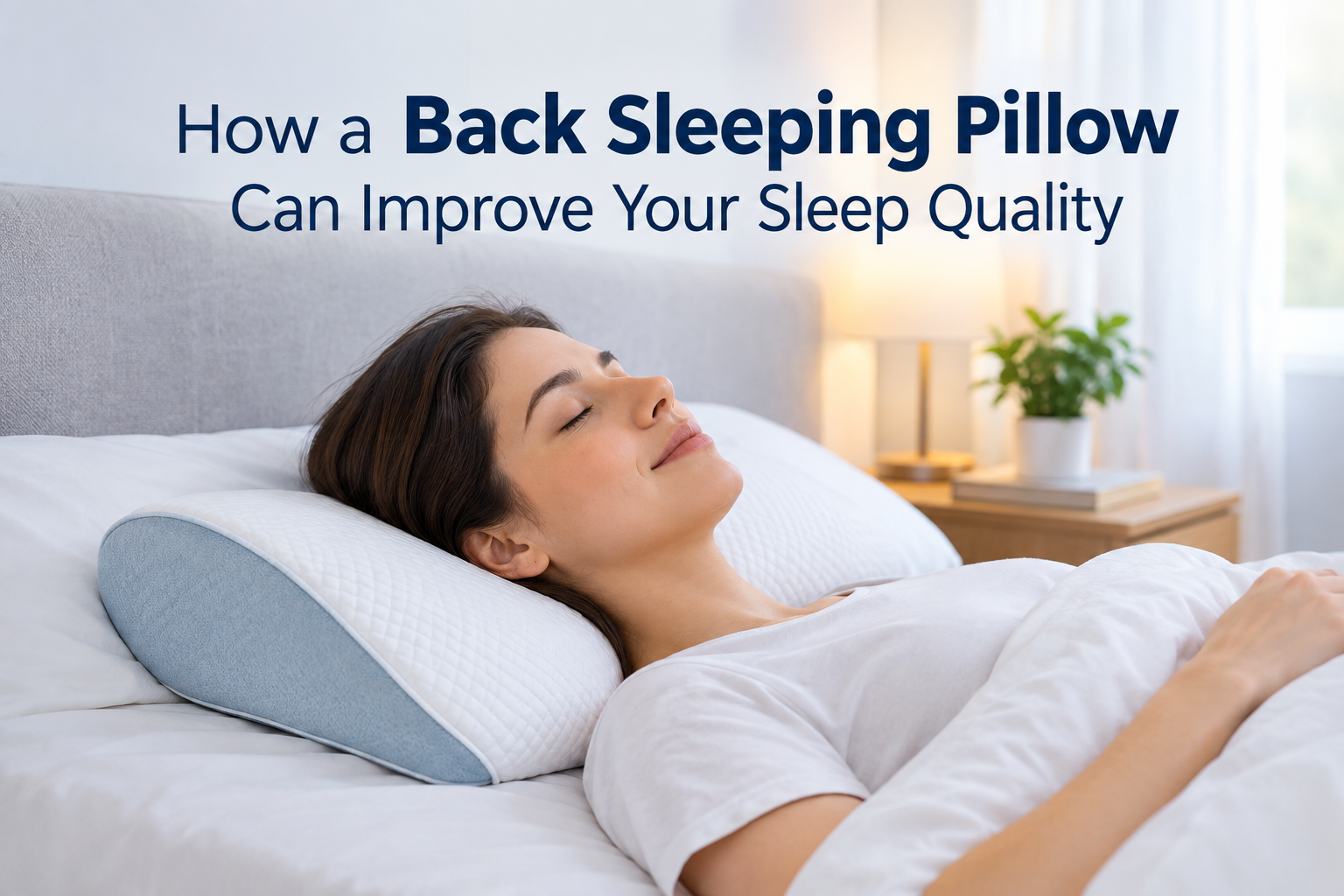
How a Back Sleeping Pillow Can Improve Your Sleep Quality

Getting a good night’s sleep is essential for maintaining physical health, mental well-being, and daily productivity. However, your sleeping position and pillow choice can significantly affect how comfortably you rest. For people who prefer sleeping on their backs, choosing the right pillow can make a noticeable difference. A back sleeping pillow is specifically designed to support the natural curve of the neck, keep the head properly aligned, and reduce unnecessary pressure on the spine.
Back sleeping is often considered a comfortable position for maintaining a neutral spinal posture, provided the head and neck receive appropriate support. However, an unsuitable pillow can create discomfort, contribute to neck stiffness, and interrupt your sleep. The right back sleeping pillow can help address these problems by providing balanced support throughout the night.
Whether you experience occasional neck discomfort, wake up feeling tired, or simply want to improve your bedtime routine, understanding the benefits of a back sleeping pillow can help you make an informed decision.
What Is a Back Sleeping Pillow?
A back sleeping pillow is designed to support people who sleep primarily on their backs. Unlike some traditional pillows that are excessively thick or soft, these pillows are generally shaped to accommodate the natural curve of the neck while keeping the head in a comfortable, neutral position.
The main purpose of a back sleeping pillow is to distribute pressure evenly and support the head and neck without forcing them too far forward or allowing them to tilt excessively backward. Some designs feature a contoured shape, a gently raised neck section, or adjustable filling to accommodate different body types and sleeping preferences.
A suitable pillow should allow your head, neck, and upper spine to remain comfortably aligned. The ideal height and firmness depend on your shoulder width, head size, mattress firmness, and personal comfort.
How a Back Sleeping Pillow Improves Sleep Quality

The quality of your sleep depends on several factors, including comfort, sleeping environment, stress levels, and physical support. A well-designed back sleeping pillow can contribute to better rest by reducing discomfort and helping you maintain a stable sleeping position.
Supports Natural Spinal Alignment
Maintaining a neutral spinal position is one of the most important aspects of comfortable back sleeping. When you lie on your back, your head and neck need enough support to maintain the natural curve of your cervical spine.
A pillow that is too high may push your head forward, while one that is too flat may allow your head to tilt backward. Both situations can create unnecessary strain and discomfort.
A properly fitted back sleeping pillow helps keep your head aligned with your shoulders and upper back. This can make it easier to maintain a comfortable posture throughout the night and may reduce stiffness caused by poor positioning.
Reduces Neck and Shoulder Strain
Neck and shoulder discomfort can make it difficult to fall asleep or remain comfortable until morning. An unsuitable pillow may place the neck at an awkward angle, potentially increasing muscle tension.
A back sleeping pillow with appropriate height and firmness can support the neck and distribute the weight of the head more evenly. Contoured designs may provide additional support beneath the neck while allowing the head to rest naturally.
Although a pillow cannot treat every cause of neck pain, selecting one that suits your body and sleeping position may help reduce discomfort associated with inadequate support.
Promotes Fewer Sleep Interruptions
Discomfort during the night can cause you to change positions, wake up briefly, or struggle to return to sleep. These interruptions may affect how rested you feel in the morning.
A comfortable back sleeping pillow can help reduce pressure around the head and neck, making it easier to maintain a relaxed sleeping posture. When your body feels properly supported, you may experience fewer position-related disturbances.
However, sleep interruptions can also be caused by stress, environmental noise, breathing problems, or other health conditions. A pillow is one part of a broader approach to improving sleep quality.
Key Benefits of Using a Back Sleeping Pillow

A back sleeping pillow can offer several comfort-related benefits when its design matches your body and sleeping habits. The results vary from person to person, but the right pillow can make your bedtime routine more comfortable.
Helps Relieve Pressure Points
Pressure can build up around the head, neck, and shoulders when your pillow does not distribute your weight properly. This may cause discomfort that makes it difficult to remain in one position.
A supportive pillow helps distribute the weight of your head more evenly across the contact area. Memory foam and other pressure-responsive materials can adapt to the shape of your head and neck, potentially reducing localized pressure.
Encourages Relaxed Sleeping Posture
Your sleeping posture influences how your muscles and joints feel when you wake up. If your head is positioned too high or too low, the surrounding muscles may need to compensate to maintain that position.
A back sleeping pillow with a suitable contour and loft can encourage a more natural resting posture. This allows your neck and upper back to remain comfortably supported without unnecessary bending.
May Reduce Morning Neck Stiffness
Waking up with a stiff neck can make everyday activities uncomfortable. In some cases, the problem may be associated with inadequate pillow support or spending several hours in an awkward sleeping position.
A properly selected back sleeping pillow may help reduce stiffness related to poor sleeping posture by supporting the natural curve of the neck. However, persistent or severe neck stiffness may have other causes and should be discussed with a healthcare professional.
Improves Overall Sleeping Comfort
Comfort is an important part of a consistent sleep routine. A pillow that feels supportive without being excessively firm or soft can make it easier to relax when going to bed.
A back sleeping pillow that suits your body can reduce the need for frequent adjustments and help you settle into a comfortable position. While this does not guarantee longer or deeper sleep, improved comfort may contribute to a more restful experience.
Different Types of Back Sleeping Pillows
Choosing the right back sleeping pillow involves understanding the different materials and designs available. Each type offers particular characteristics that may suit different preferences.

Memory Foam Back Sleeping Pillow
Memory foam pillows respond to body heat and pressure, gradually adapting to the shape of your head and neck. They can provide consistent support and are available in both flat and contoured designs.
These pillows may suit people who prefer a supportive surface that conforms to their shape. However, some memory foam products retain heat, so breathable or ventilated designs may be preferable for people who sleep hot.

Adjustable Back Sleeping Pillow
Adjustable pillows contain removable or repositionable filling, allowing users to change the pillow’s height and firmness. This can be particularly helpful for people who are unsure which loft suits their body.
The ability to customize the filling can make it easier to find a comfortable position. Adjustments may take a little experimentation to achieve the right level of support.

Fiber-Filled Back Sleeping Pillow
Fiber-filled pillows are commonly made with polyester or down-alternative materials. They often feel soft and lightweight, making them suitable for people who prefer a traditional pillow feel.
Some fiber pillows flatten over time, so regular fluffing and replacement when support deteriorates may be necessary.

Latex Back Sleeping Pillow
Latex pillows typically offer a responsive, resilient feel and tend to retain their shape well. They are available in different heights and firmness levels, including contoured options.
Their buoyant support may appeal to people who do not enjoy the slow-sinking sensation of memory foam. Natural latex and synthetic latex products are both available.
How to Choose the Right Back Sleeping Pillow

Finding the right back sleeping pillow is a personal process. A pillow that works well for one person may feel uncomfortable for someone with a different body shape or mattress.
Consider Pillow Height
Pillow height, also known as loft, is an important factor for back sleepers. A pillow that is too high can push the head forward, while one that is too low may not provide enough neck support.
Choose a height that allows your head and neck to remain aligned with your upper spine. Your shoulder width, head size, and mattress firmness can all influence the appropriate loft.
Choose the Right Firmness
A pillow should be supportive enough to prevent your head from sinking too far while remaining comfortable against your neck and head.
Medium-firm pillows may be a useful starting point for some back sleepers, but there is no universally ideal firmness. Your preferred feel and the way the pillow responds to your weight are equally important.
Look for Breathable Materials
Temperature can affect sleep comfort. If you regularly feel hot during the night, consider pillows with breathable covers, ventilated foam, or materials designed to promote airflow.
Cotton covers and certain moisture-managing fabrics may also help improve comfort. Keep in mind that a pillow’s temperature depends on its filling, construction, cover, and the conditions of your bedroom.
Check Your Mattress Compatibility
Your mattress also affects how your body rests during sleep. On a softer mattress, your shoulders and upper body may sink farther into the surface, changing the amount of pillow height you need.
On a firmer mattress, your body may remain higher above the sleeping surface. Consider how your head and neck align when lying on your usual mattress rather than choosing a pillow based on its appearance alone.
Common Mistakes to Avoid When Using a Back Sleeping Pillow
Even a well-designed pillow may not provide the expected comfort if it is used incorrectly or does not suit your body. One common mistake is choosing a pillow simply because it is thick or feels exceptionally soft in a store. Excessive height can push your head forward, while too much softness may allow your head to sink and reduce support.
Another mistake is ignoring your sleeping position. A pillow designed for side sleeping may be too high for someone who sleeps on their back. Similarly, changing to a contoured pillow without allowing time to adjust may initially feel unfamiliar.
You should also avoid using a pillow that has become permanently flattened, lumpy, or uncomfortable. Regularly cleaning it according to the manufacturer’s instructions and replacing it when it no longer provides adequate support can help maintain a comfortable sleep environment.
Tips for Getting Better Sleep with a Back Sleeping Pillow
Using the right pillow is only one part of creating a comfortable sleeping environment. Combining suitable neck support with healthy sleep habits can help you establish a more consistent nighttime routine.
Try placing your pillow so that it supports the natural curve of your neck without lifting your chin toward your chest. Keep your head centered rather than allowing it to tilt significantly to one side. If you experience lower-back discomfort while sleeping on your back, placing a small pillow beneath your knees may help some people feel more comfortable.
Maintain a consistent sleep schedule, keep your bedroom cool and quiet, and limit stimulating activities close to bedtime. Give yourself time to adjust to a new pillow, but do not continue using it if it consistently causes discomfort. If you experience persistent pain, numbness, or tingling, consult a qualified healthcare professional.
Who Should Use a Back Sleeping Pillow?
A back sleeping pillow may be suitable for people who naturally sleep on their backs and want additional support for their head and neck. It may also appeal to people who experience mild, position-related neck discomfort or who want to improve their overall sleeping comfort.
However, back sleeping is not ideal for everyone. People who snore heavily or have obstructive sleep apnea may experience worsening symptoms when lying on their backs. Pregnant individuals, particularly in later pregnancy, should follow their healthcare professional’s guidance about comfortable and appropriate sleeping positions. The best pillow and sleeping position depend on individual needs, comfort, and health considerations.

-

 Fashion1 week ago
Blazertje: Complete Style Guide for Every Occasion and Season
-

 Culture4 weeks ago
Anheihe: A Hidden Beautiful Place in Modern Culture and History
-

 Technology4 days ago
Weakspurn.com: A Safety Guide Protecting Yourself on Unknown Sites
-

 Technology2 weeks ago
Inurl:megazee.com: What Users Are Saying About the New Digital Platform
-

 Health1 month ago
Sosoactive Co: Finding the Perfect Fit for Your Training Routine
-

 Entertainment1 month ago
What Is CricFooty? The Ultimate Hub for Live Sports Updates
-

 History1 week ago
Cumhuritey: The History and Evolution of Turkey’s Iconic Daily
-

 Business4 weeks ago
Kársperski: The Journey of a Digital Security Pioneer
-

 Technology1 week ago
Nelonium: The Future of Energy Solutions Technology
-

 Entertainment4 weeks ago
Babybelletje: A Journey into Dutch Childhood Memories
-

 Science4 weeks ago
Cyanová: The Fascinating Science Behind This Unique Color
-

 Technology4 weeks ago
Nebs6ak: How can it Transforming Industries One Step at a Time