
Topics
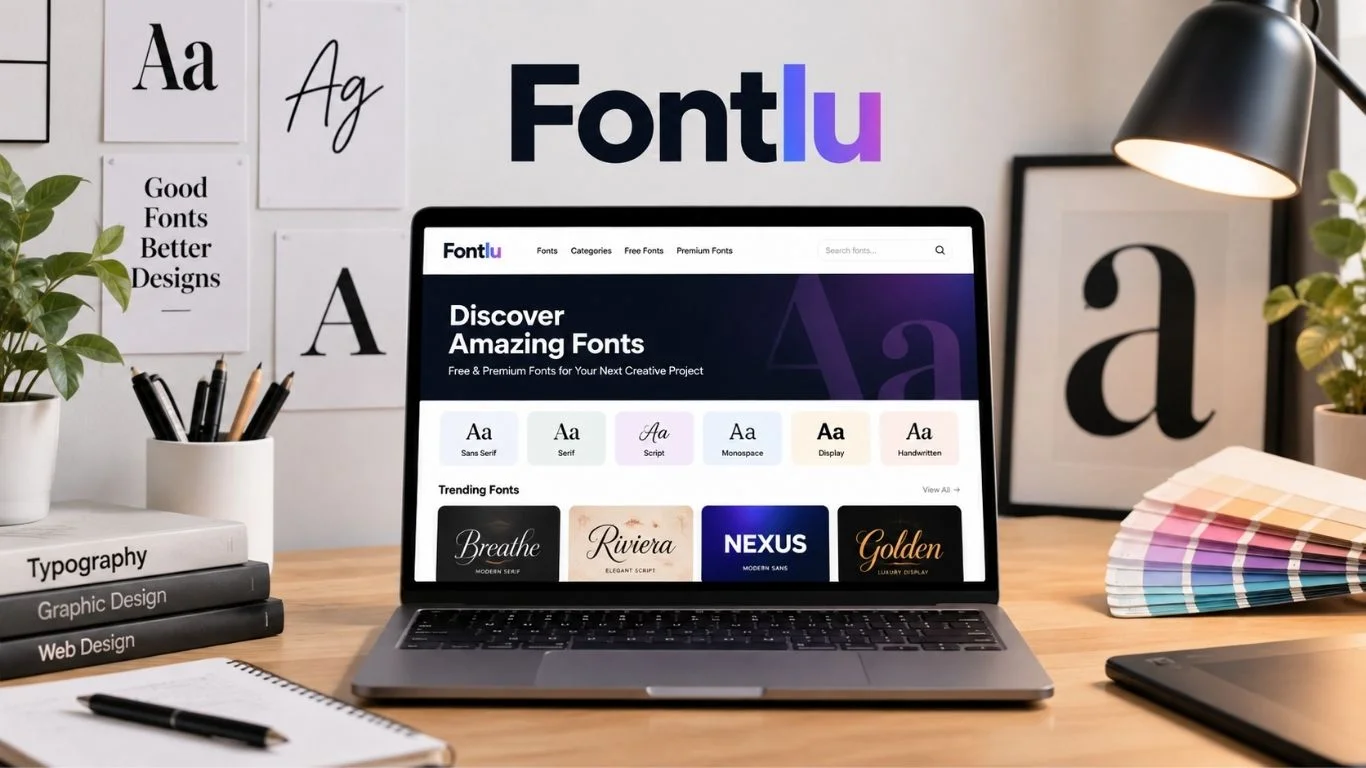
Fontlu: The Font Discovery, Typography, Features, and Digital Design

Fontlu is a name associated with online discussions about typography, font discovery, and digital design. Fonts are an essential part of how people experience websites, social media graphics, business presentations, advertisements, and other forms of digital content. The right typeface can make information easier to read, communicate a brand’s personality, and create a consistent appearance across different platforms. As designers and content creators continue to search for accessible typography resources, terms such as Fontlu attract attention from people looking for ways to explore different lettering styles.
Understanding Fontlu requires looking at the broader role of typography and the tools that support it. The name does not have one universally established definition, and its exact features depend on the specific website or service being discussed. Therefore, it is important to distinguish between general typography practices and features that can be verified on a particular Fontlu platform. This guide explains the concept, explores practical applications, discusses font selection, and examines established alternatives that readers can use when working on digital design projects.
What Is Fontlu?
Fontlu is an emerging name associated with font-related resources and discussions about typography. Depending on the context, people may encounter it while searching for font styles, text previews, creative design inspiration, or tools for selecting suitable lettering. Typography resources generally help users explore the visual differences between typefaces and determine how individual fonts might work in a particular project. However, Fontlu should not automatically be treated as one standardized application with a confirmed collection of features.
The broader subject behind Fontlu is highly relevant to anyone who creates digital content. A font can influence whether a website feels modern, traditional, playful, formal, or creative. It can also affect how quickly readers recognize headings and understand longer paragraphs. Exploring typography helps users make more informed design decisions instead of choosing a font solely because it looks attractive in a short preview. This practical perspective makes Fontlu a useful keyword for discussing font discovery and the principles behind effective digital typography.
Understanding the Meaning Behind Fontlu
The name Fontlu combines a recognizable reference to fonts with a distinctive brand-like ending. Nevertheless, without reliable documentation from an identifiable creator or official source, its precise origin and intended meaning cannot be confirmed. It would be inaccurate to assign it a specific inventor, launch date, technical history, or official definition without supporting evidence. Readers should therefore evaluate the particular website or service associated with the name before assuming that every online description refers to the same product.
From a practical standpoint, Fontlu can be explored in relation to the everyday process of finding, comparing, and applying fonts. A designer may begin with a broad visual idea, review different typefaces, and test several options using realistic text. The final choice depends on readability, project requirements, visual identity, technical compatibility, and licensing. These considerations apply whether someone uses a Fontlu-related resource, a dedicated font library, or software already installed on a computer.
Why Fontlu and Typography Matter in Modern Design
Typography is more than the appearance of individual letters. It helps organize information, establishes visual hierarchy, and guides readers through a page. A large heading signals the beginning of a section, while smaller paragraph text communicates supporting information. Differences in weight, spacing, and alignment can make a design easier to scan and help readers identify important details without requiring additional decorative elements.
For website owners, bloggers, marketers, and graphic designers, typography also contributes to brand recognition. Consistently using a small set of complementary fonts can give a website or publication a recognizable identity. A professional services company may choose clean lettering to communicate clarity and reliability, while a lifestyle publication may use more expressive headings to reflect its editorial personality. Fontlu-related searches can provide an entry point into this broader process of understanding how typography influences digital communication.
The Relationship Between Fonts and User Experience
A visually attractive website is not necessarily an easy website to use. If the font is too small, the spacing is uncomfortable, or the lettering is difficult to distinguish, visitors may struggle to read the content. These problems become particularly noticeable on mobile screens, where long paragraphs and decorative typefaces can reduce readability. Effective typography balances visual character with the practical needs of the audience.
A thoughtful font selection process considers the complete reading experience rather than a single heading. Designers should examine body text, navigation menus, captions, buttons, and longer passages before making a final decision. They should also test the design at different screen sizes and zoom levels. Although a typography preview can help narrow the available choices, testing the finished page provides a better understanding of how the selected font performs in a real environment.
Potential Features Associated With Fontlu
The features available through any Fontlu-branded website should be verified directly rather than assumed from the name alone. Typography platforms commonly offer functions such as browsing typefaces, entering sample text, adjusting font sizes, comparing visual styles, or accessing font files. Some services focus primarily on previews, while others provide searchable libraries, font management, or tools for incorporating fonts into web projects.
For users researching Fontlu, the first step is to identify the exact resource and inspect its available options. Check whether the interface explains its purpose, identifies the original font sources, provides meaningful previews, and publishes licensing information. If downloads or installation instructions are offered, review them carefully before proceeding. These checks help users determine whether a particular resource is suitable for their needs without relying on unverified claims about its capabilities.
Font Preview and Style Comparison
Previewing text is one of the most useful functions found in typography tools. A font that looks distinctive when displaying two or three words may behave differently when used in a complete paragraph. Letters can have unusual shapes, numbers may be difficult to distinguish, and certain combinations of characters may appear crowded. A realistic preview gives users a better opportunity to identify these issues before committing to a typeface.
When comparing fonts, enter the same heading and paragraph into each preview whenever possible. Examine the appearance of capital letters, lowercase characters, punctuation, and numbers. Consider how the typeface handles longer words and whether the text remains readable at smaller sizes. This approach makes comparisons more consistent and helps designers select fonts based on actual requirements rather than temporary visual impressions.
Exploring Different Typography Styles
Typography includes several broad categories, each offering different visual characteristics. Serif fonts contain small finishing strokes on many letters and are often associated with traditional publishing, although their suitability depends on the specific design. Sans-serif fonts generally have simpler letterforms and are widely used in digital interfaces. Display fonts are designed to create visual impact in headings, while script fonts imitate aspects of handwriting or calligraphy.
These categories provide a starting point rather than a strict set of rules. A serif typeface can work well on a modern website, and a sans-serif font can communicate a traditional or elegant personality depending on its design. Users exploring Fontlu-related resources should compare individual typefaces within their intended context. The goal is to find lettering that supports the message, fits the audience, and remains practical across the formats where it will appear.
How to Use Fontlu for Website Design
Website typography begins with a clear understanding of the site’s purpose. An educational website may prioritize comfortable reading and a straightforward structure, while a fashion publication may use more distinctive headings to support its visual identity. An online store must balance brand presentation with practical requirements, ensuring that product descriptions, prices, navigation labels, and checkout instructions remain easy to understand.
If a Fontlu-related tool provides font previews or comparison options, it can be incorporated into the early stages of this process. Start by choosing a few candidate fonts, then test them using actual website text. Compare the appearance of headings, paragraphs, buttons, and navigation elements. Once a promising combination has been identified, implement it in a test environment and examine the results on desktop and mobile devices before publishing the final design.
Choosing Fonts for Headings and Body Text
Headings and body paragraphs serve different purposes, so they do not always need to use identical typography. Headings can benefit from a stronger visual personality because they help readers navigate the page. Body text usually requires a typeface that remains comfortable over longer passages. Using a distinctive display font for every paragraph may create unnecessary visual competition and make the article harder to read.
A practical website design might use one font family for headings and another for body text, provided the combination feels coherent. The designer should consider letter shapes, font weight, spacing, and the overall tone of the website. It is also useful to limit the number of font families to avoid inconsistent styling and unnecessary loading overhead. Consistency helps readers focus on the information rather than repeatedly adjusting to different visual styles.
Improving Mobile Typography
Mobile typography deserves special attention because smaller screens change how text is displayed. A heading that fits comfortably on a desktop monitor may wrap into several lines on a phone. Narrow layouts can also make paragraphs appear dense, especially when the line height is insufficient or the font size is too small. These problems can affect the reading experience even when the typeface itself is attractive.
Designers should test real pages at several viewport widths and adjust font sizes, line heights, and spacing where necessary. Responsive typography allows headings and paragraphs to adapt to available space without sacrificing readability. It is also important to test menus, buttons, and form labels because these elements require clear text and comfortable interaction. A successful Fontlu-related typography workflow should ultimately lead to a usable website, not merely an appealing font preview.
Fontlu for Bloggers and Content Creators
Bloggers depend on typography to make long articles approachable and visually organized. Readers often scan a page before deciding which sections deserve closer attention. Clear headings, readable paragraphs, and consistent formatting make it easier to identify relevant information. Typography also helps distinguish the article title from supporting headings, captions, quotations, and other elements that contribute to the reading experience.
Content creators can use font discovery and comparison tools to develop a consistent visual style across articles and promotional graphics. A travel blog might use expressive headings alongside simple body text, while a technology publication could prefer a clean interface with restrained decorative elements. The choice should reflect the publication’s audience and subject matter. A consistent typography system can make content feel more professional without requiring elaborate graphics or complicated layouts.
Creating Better Featured Images and Article Graphics
Featured images frequently combine photography or illustration with a title. Typography must remain legible against the background, especially when the image appears as a small thumbnail in search results, social media feeds, or website archives. Heavy visual effects, overly decorative letters, and insufficient contrast can make the headline difficult to read. A carefully chosen font and clear composition generally produce a more effective result.
Before finalizing an image, test the title at the size where readers are most likely to encounter it. Use sufficient contrast between the text and its background, leave appropriate margins, and avoid covering important parts of the image. The typeface should complement the subject instead of distracting from it. Designers should also check the final graphic on mobile screens and make sure the wording remains readable after automatic cropping or resizing.
Maintaining a Consistent Brand Identity
Brand consistency involves using typography in a recognizable and purposeful way. A website that changes its heading style, body font, and button lettering on every page can appear disconnected. Establishing a small set of typefaces and defining how they should be used makes it easier to maintain a coherent appearance across articles, landing pages, newsletters, and social media content.
A simple typography guide can specify the font used for headings, the font used for paragraphs, the preferred weights, and the general size hierarchy. It can also explain when a special display font is appropriate and which alternatives should be used if a font is unavailable. This approach becomes particularly useful as a website grows or multiple people contribute to its design. Font discovery is only the first step; consistent implementation helps turn individual choices into a recognizable visual identity.
Fontlu for Graphic Designers and Digital Marketers
Graphic designers work with typography in posters, brochures, presentations, packaging, logos, advertisements, and digital campaigns. Each format creates different requirements for legibility, visual impact, and technical compatibility. A poster may use expressive display lettering because the message is short, whereas an information-heavy presentation needs fonts that remain readable from a distance. The best typeface depends on the content, audience, dimensions, and communication objective.
Digital marketers face similar considerations when creating advertisements, landing pages, and promotional graphics. The main message should be easy to identify, supporting information should be organized logically, and the visual style should match the brand. Typography tools can support early experimentation by making it easier to compare alternatives. However, the final design should be evaluated in its intended placement, because text that looks good in an editor may not perform equally well in a small advertisement or mobile feed.
Selecting Fonts for Logos and Promotional Materials
Logo typography often needs to communicate a brand’s personality using only a few words. Letter spacing, shape, weight, and proportions can influence whether a logo feels modern, traditional, friendly, or formal. Designers should therefore consider the complete wordmark rather than judging a typeface solely by its alphabet preview. Certain letter combinations may look balanced individually but awkward when arranged into a brand name.
Promotional materials require similar attention to hierarchy and legibility. The headline should attract attention, but supporting details such as dates, product descriptions, or calls to action must remain understandable. It is useful to test different font weights and sizes before adding decorative effects. Designers should also check whether the selected font supports all required characters and whether the licensing terms permit use in the intended commercial material.
Fontlu Alternatives Worth Exploring
If a particular Fontlu resource does not provide the required features, several established typography services and applications offer alternative ways to discover, organize, and use fonts. Their purposes differ, so the right choice depends on whether the user wants a web font library, a professionally licensed collection, a font management tool, or software for creating typefaces.
The following comparison provides a general overview of commonly used resources. Availability, subscription requirements, and licensing conditions can change, so consult each provider’s current documentation before making a decision.
| Tool | Primary purpose | Suitable users |
|---|---|---|
| Google Fonts | Browse and use open-source fonts | Website owners, bloggers, and developers |
| Adobe Fonts | Access a licensed font library through Adobe services | Creative professionals and subscribers |
| Font Squirrel | Discover fonts with stated licensing information | Designers and website creators |
| FontBase | Organize and manage font collections | Designers with large font libraries |
| FontForge | Create and edit digital font files | Type designers and advanced users |
| Canva | Design graphics using available typography options | Beginners, marketers, and content creators |
Google Fonts and Web Typography
Google Fonts is a practical option for users who want to explore typefaces for websites and digital projects. Its collection includes fonts that can be used under their respective open-source licenses, and the service provides resources for incorporating fonts into web pages. Users can compare styles and select families that support their design requirements.
Website owners should still review the license associated with a font and consider the technical consequences of loading it. Using fewer font families and only the required styles can help control page weight. It is also important to provide appropriate fallback fonts so the website remains readable if the preferred typeface fails to load. These practices improve the reliability of typography regardless of whether font discovery began with Fontlu or another resource.
Adobe Fonts and Professional Design Workflows
Adobe Fonts is designed to provide access to a library of typefaces through Adobe’s services, subject to applicable account and licensing conditions. It can be useful for people who regularly create graphics, layouts, marketing materials, and other visual assets within supported creative applications. The availability of different font families allows designers to explore typography that suits a wide range of projects.
Before using any Adobe Fonts typeface, review the current terms and ensure that the intended project is covered. Requirements may differ depending on whether the font is used in a graphic, embedded on a website, or included in a product distributed to others. Understanding these distinctions is particularly important for agencies, freelancers, and businesses that use typography across multiple channels.
Font Licensing, Security, and Responsible Use
Font licensing is an essential part of choosing typography. A typeface may be available to preview without charge while still having restrictions on downloading, embedding, modification, or commercial distribution. Some fonts permit broad commercial use, while others require payment or compliance with particular license conditions. Users should never assume that a free preview automatically means unrestricted permission to use the font.
The safest approach is to identify the original font creator or authorized distributor and read the applicable license. Confirm whether the terms cover the intended use, including websites, logos, mobile applications, advertisements, and products for sale. When a license is unclear, contact the provider or select a font with terms that are easier to verify. Keeping records of font sources and licenses can also help businesses manage their creative assets over time.
Avoiding Unsafe Downloads
Users searching for Fontlu or other typography resources should be cautious when encountering unfamiliar download websites. A font file should not normally require the installation of unrelated programs simply to display a preview. Avoid suspicious download buttons, unexpected executable files, browser extensions from unverified publishers, and websites that demand unnecessary permissions.
When possible, obtain fonts directly from established libraries or the original creator’s website. Scan downloaded files using appropriate security software and follow the installation instructions for the operating system. If a site makes unclear claims about ownership or licensing, seek a more reliable source. These precautions reduce unnecessary risk while allowing designers to explore new typefaces with greater confidence.
Common Typography Mistakes to Avoid
One common mistake is choosing fonts based entirely on appearance. A highly decorative typeface may look impressive in a short title but become tiring when used for long paragraphs. Similarly, a thin font may lose clarity when displayed at a small size or against a busy background. Font selection should consider the actual reading environment, the length of the text, and the audience’s needs.
Another mistake is using too many typefaces within one design. Every additional font introduces another visual style that must work alongside the others. Without a clear system, headings, captions, buttons, and paragraphs can compete for attention. Limiting the design to a small, complementary set of fonts generally makes it easier to establish hierarchy and maintain consistency across a website or publication.
Ignoring Accessibility and Readability
Typography should accommodate readers with different needs and viewing conditions. Low contrast, tiny text, crowded lines, and complicated letterforms can make information difficult to access. Although no single font works best for every reader, designers can improve usability by choosing clear typefaces, providing sufficient spacing, and maintaining strong contrast between text and background.
Accessibility also involves testing more than the font itself. Readers should be able to enlarge text without losing important content, and website layouts should adapt to different screen sizes. Buttons and navigation labels should remain clear, while headings should follow a logical structure. These measures help make digital content easier to use and support a better experience for a wider audience.
The Future of Fontlu and Digital Typography
Digital typography continues to evolve as websites, applications, and design platforms develop new ways to display and manage text. Variable fonts, for example, can include adjustable characteristics such as weight and width within a single font file. When implemented appropriately, they can provide greater design flexibility and reduce the need to load multiple separate files. Browser support, font implementation, and performance requirements should still be considered.
Artificial intelligence is also influencing some design workflows through automated suggestions, image-based font identification, and tools that help users experiment with visual styles. These capabilities vary by product, and their availability should be verified rather than assumed for Fontlu specifically. Designers still need to judge whether a suggested typeface fits the project, meets accessibility requirements, and has appropriate licensing. Automated recommendations can support exploration, but informed human evaluation remains important.
Why Typography Skills Will Remain Valuable
As digital publishing expands, people will continue to need ways to present information clearly across websites, applications, documents, and visual media. Even when software makes font selection easier, designers must still understand hierarchy, contrast, spacing, and the relationship between typography and the intended audience. These principles help distinguish an effective design from one that simply uses an attractive typeface.
Learning the fundamentals of typography can benefit beginners and experienced professionals alike. Users can practice by comparing fonts in realistic layouts, studying how established publications organize text, and testing their designs across devices. Whether they begin with Fontlu-related searches or an established font library, understanding why a typeface works is more valuable than collecting large numbers of fonts without a clear purpose.
Conclusion
Fontlu is a name associated with online interest in typography, font discovery, and digital design, but its precise identity and feature set are not universally established. Anyone researching it should verify the particular website or tool before relying on claims about its capabilities.
The broader subject, however, is useful for website owners, bloggers, graphic designers, marketers, and anyone who wants to improve the presentation of digital content.
The most effective approach to typography combines visual appeal with readability, consistency, technical reliability, and appropriate licensing. Font previews can help users compare styles, but realistic testing is necessary before a typeface is used in a published project.
Established resources such as Google Fonts and Adobe Fonts offer alternative ways to explore typography, while font management and editing applications serve more specialized needs. By selecting fonts carefully and evaluating them in context, users can create more accessible websites.
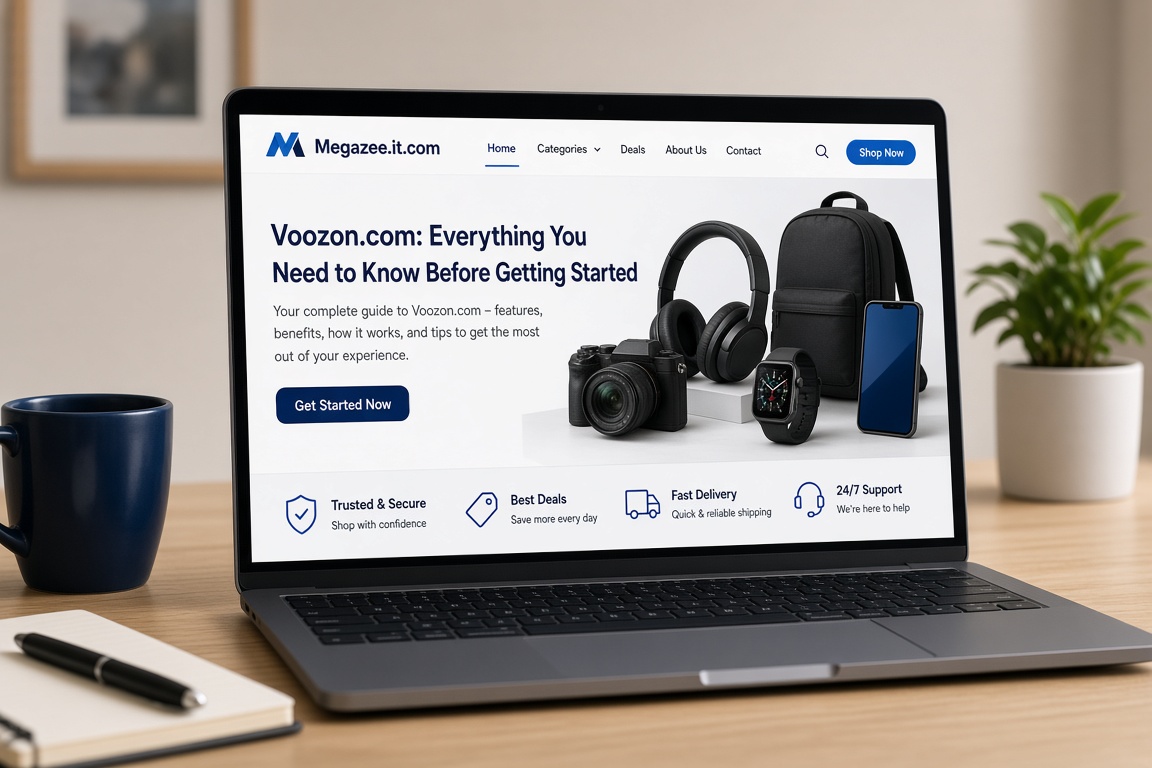
Voozon.com has attracted attention as an online publishing destination for people who want to read, share, and publish content across different industries. Unlike a website built around one narrow subject, the platform follows a broad multi-niche approach that includes business, technology, finance, health, lifestyle, education, travel, automotive, and several other areas. This makes it relevant to both ordinary readers and people interested in digital publishing.
For businesses, bloggers, marketers, and independent writers, understanding the purpose of Voozon.com is important before getting started. The website presents itself as a digital publication as well as a platform for guest posting and content publishing. Its own About page says that it helps individuals and businesses publish content, gain exposure, and build an online presence through content and backlinks.
The platform is therefore best understood as a combination of a reader-focused online publication and a contributor-oriented publishing environment. Before using it, however, it helps to understand how the website works, what type of material appears there, who it is designed for, and what expectations users should have regarding visibility, SEO, and content quality.
What Is Voozon.com?
Voozon.com is a multi-category digital publishing website that provides informational content across a wide range of subjects. Its current publication structure includes sections such as Finance, Business, General, Tech, Health, Law, Automotive, Education, and Travel, while other areas include entertainment, fashion, gaming, real estate, lifestyle, movies, music, sports, and home improvement.
The site’s own description goes beyond simply calling it a blog. Voozon presents itself as a multi-niche blogging and guest-posting platform intended to help writers, businesses, and digital marketers publish articles and improve their online presence. That means visitors can approach the website from two different directions: as readers looking for information or as contributors looking for a place to publish content.
This distinction matters because a multi-niche publication does not operate in exactly the same way as a specialist technology website or a single-industry magazine. Its strength comes from variety and publishing flexibility. For someone getting started, the first step is recognizing that the platform is designed around broad content rather than one tightly defined subject.
How Voozon.com Works
The basic publishing concept behind Voozon.com is straightforward. Contributors create an article intended to provide useful information, submit or publish the material through the platform, and make that content available to online readers. The website’s FAQ specifically describes article publishing and says contributors can include links within their articles.
This model makes the platform relevant to several groups at once. A writer may want a place to share expertise, while a business may want to introduce its ideas to an online audience. A digital marketer may be more interested in content distribution and backlinks, while a general reader may simply discover the site through an article appearing in search results.
The important point is that publishing should not be confused with guaranteed search performance. Getting an article published does not automatically guarantee Google rankings, referral traffic, conversions, or long-term authority. Those results depend on the quality of the content, relevance of the subject, competition, links, search intent, and many other factors.
What Topics Does Voozon.com Cover?
One of the defining characteristics of Voozon.com is its broad editorial coverage. The site currently publishes material in professional categories such as business, finance, technology, health, education, and law, while also covering more general subjects such as travel, lifestyle, entertainment, fashion, automotive, real estate, sports, and home improvement.
This variety gives the website a wide potential audience. Someone researching a business topic may encounter one article, while another visitor may arrive through content about travel, technology, health, or lifestyle. The broad structure also gives contributors more flexibility when choosing subjects that match their expertise.
However, broad coverage also means contributors should not assume that every topic will receive the same level of attention. A strong article still needs a clear purpose and a suitable audience. Publishing a generic piece simply because the site accepts multiple categories is unlikely to produce the same value as a carefully researched article written for a specific group of readers.
Voozon.com for Businesses and Brands
For businesses, Voozon.com can be viewed as one part of a broader content marketing strategy. Publishing an informative article can provide a brand with an opportunity to explain a service, discuss an industry problem, demonstrate expertise, or introduce useful information to potential readers.
The platform’s own About page specifically mentions businesses and digital marketers and describes guest posting, content publishing, and backlinks as part of its offering. This makes it particularly relevant to companies that already use content marketing as part of their online visibility strategy.
Still, businesses should focus on relevance rather than treating every published link as an SEO shortcut. A useful article that genuinely answers a reader’s question is generally more valuable than thin promotional material. The best approach is to make the content informative first and promotional only where it naturally supports the subject.
Voozon.com for Writers and Contributors
Writers can also find value in the platform because its multi-niche structure provides opportunities to create content for different audiences. Someone with knowledge of business, technology, lifestyle, education, finance, or another covered subject can potentially develop an article around that expertise.
For a writer, the quality of the submitted material remains important. Clear organization, accurate information, natural language, original ideas, and useful explanations can make an article more valuable to readers. Content that appears to exist only to insert keywords or links may offer much less value.
The publishing opportunity should therefore be considered as part of a writer’s broader portfolio rather than an automatic route to online success. A contributor can use publication to demonstrate knowledge, but the strongest long-term strategy is still to create material that readers genuinely want to read and share.
Is Voozon.com Useful for SEO?
Voozon.com can be relevant to SEO because its publishing model includes articles and backlinks. The site’s FAQ explicitly says that users can include links in published articles and describes those links in the context of improving online visibility and search performance.
That does not mean every backlink will provide the same SEO benefit. Search engines evaluate links and content in a much broader context, and a single publication should never be treated as a guaranteed ranking solution. The relevance and quality of the page, the usefulness of the article, the surrounding content, and the overall authority of a website can all influence how valuable a link may be.
For that reason, marketers considering Voozon.com should look beyond simple metrics such as whether a link can be placed. A stronger strategy considers topical relevance, editorial quality, indexing, audience fit, and whether the published article provides a genuine reason for readers to visit the linked website.
What Should You Check Before Publishing?
Before getting started, it is sensible to examine the current website rather than relying entirely on claims made in third-party promotions. Check the categories, recent articles, author information, contact details, publishing requirements, and the overall quality of the pages that are already indexed.
This is especially important for marketers purchasing or arranging publication opportunities. Website traffic claims can vary significantly between sources, and an impressive number in a sales message does not necessarily represent useful visitors for a particular industry. Independent website-checking services can provide additional signals, but they should not be treated as definitive measurements of editorial quality or business value.
ScamAdviser currently describes the domain as likely legitimate and identifies signals such as a valid SSL certificate and an established domain, while also noting concerns including hidden WHOIS ownership information and relatively low traffic rankings. These signals are worth considering, but they are only part of a broader evaluation.
Is Voozon.com Legit and Safe to Use?
The website is an active publishing property with publicly accessible articles, category pages, an About page, FAQs, and current content. Its public archive also contains material going back several years, indicating that the domain is not simply a newly created page with no publishing history.
At the same time, legitimacy and content authority are two different questions. A website can be operational and accessible while individual articles vary in quality. Likewise, being able to publish content does not automatically mean that every contributor, article, link, or SEO claim associated with the platform has equal value.
Anyone getting started should therefore make decisions based on the specific purpose of the publication. Read existing articles, inspect the site’s structure, understand its publishing terms, and consider whether the platform is relevant to the audience you are trying to reach.
Benefits and Limitations of the Platform
One advantage of Voozon.com is its broad subject coverage. Writers and businesses do not necessarily need to operate in a single narrow industry to find a potentially relevant publishing category. The platform’s combination of business, technology, finance, lifestyle, health, education, and other topics creates flexibility for different types of contributors.
Another potential benefit is that the publishing model connects content creation with online visibility. Contributors can use articles to share knowledge, while businesses can use useful editorial content to introduce ideas and services. However, the same multi-niche structure can also be a limitation because broad publishing does not automatically create the topical authority associated with a highly specialized publication.
For marketers, this means expectations should remain realistic. A publication opportunity can support an overall content strategy, but it should not become the entire SEO strategy. Strong websites normally benefit from a diverse collection of relevant, trustworthy, and naturally earned references rather than depending on one publishing source.
How to Get Started With Voozon.com
Getting started should begin with understanding the site’s current publishing environment. Visit the website, explore the categories, read several recent articles, and determine which section most closely matches your subject. This gives you a better idea of the site’s writing style and the types of topics already being published.
After choosing a suitable subject, the next step is creating genuinely useful content. Instead of writing an article primarily around a backlink, develop a piece that answers a real question or explains a topic clearly. Natural references to a relevant business or resource can then fit into the article without making the content feel like an advertisement.
If the goal is SEO, remember that publication is only one part of the process. Keyword research, search intent, technical SEO, internal linking, content quality, digital PR, and audience engagement all contribute to a broader strategy. Voozon.com may fit into that strategy, but it should be evaluated according to the specific goals of the campaign.
Who Should Consider Voozon.com?
Voozon.com may be relevant to bloggers, independent writers, businesses, marketers, and readers who prefer a broad online publication covering different industries. Its multi-niche structure gives contributors room to work across subjects rather than restricting the website to one specialized vertical.
It can also be useful for people researching general information because its archive spans numerous categories. Someone may arrive looking for business information and then discover content about technology, finance, lifestyle, education, or another topic. That broad approach is one of the central characteristics of the publication.
The platform may be less suitable for someone seeking a highly specialized academic or industry publication with strict subject boundaries. Its value comes from accessibility and variety, so users should select it according to their actual objectives rather than assuming that every publication opportunity works equally well for every project.
Final Thoughts
Voozon.com is best understood as a multi-niche digital publication and content-publishing platform rather than a conventional software product or single-topic website. Its own materials describe guest posting, article publishing, backlinks, and online visibility as important parts of its model, while its active archive covers a broad range of professional and general-interest subjects.
Before getting started, the most important thing is to approach the platform with realistic expectations. Publishing an article can provide exposure and potentially support a wider content strategy, but it should never be treated as an automatic guarantee of rankings, traffic, or authority.
For readers, the site offers a broad collection of informational material. For writers and businesses, it provides a potential publishing environment. The smartest approach is to judge every opportunity by relevance, content quality, audience fit, and the actual value it can provide rather than focusing only on backlinks or promotional claims.

The internet offers countless websites where people can explore business ideas, discover new technology, learn about lifestyle trends, and find answers to everyday questions. However, not every website focuses on one specific subject. Some platforms bring several topics together to help readers find different types of information in one place. charfen.co.uk is one such website. It publishes content related to business, technology, lifestyle, travel, health, food, news, and other general-interest subjects.
The website presents itself as a source of business knowledge, practical strategies, and useful insights. Its About page highlights entrepreneurship, business growth, leadership, and innovation. At the same time, its homepage covers a much wider range of subjects. This combination makes charfen.co.uk interesting for readers who want to explore different topics without visiting multiple websites.
Understanding what the platform offers can help visitors decide whether its content matches their needs. It is also important to distinguish between the website’s stated purpose and the services or expertise that can be independently verified. This guide explores charfen.co.uk, its main content categories, its potential benefits, and the factors readers should consider when using it.
What Is charfen.co.uk?
charfen.co.uk is a multi-topic online publishing website that shares informational articles across several categories. Rather than concentrating entirely on one industry, it covers subjects that may appeal to business owners, technology enthusiasts, professionals, and general readers.
The website’s current content includes business strategies, software, artificial intelligence, lifestyle ideas, travel information, health topics, food, and home improvement. This broad approach allows visitors to explore professional subjects and everyday interests through the same platform. Readers can visit the website to discover new ideas, understand unfamiliar topics, or explore information related to their personal and professional lives.
According to its About page, the platform aims to support entrepreneurs by sharing insights about business growth, leadership, and practical strategies. However, its published articles extend beyond entrepreneurship. The website is therefore best understood as a general digital publication with a noticeable business focus, rather than a platform devoted exclusively to business coaching.
Understanding the Website’s Main Purpose
The main purpose of charfen.co.uk is to make different types of information available through online articles. Its content gives readers opportunities to explore subjects they may encounter at work, at home, or while browsing the internet.
For example, a small business owner might look for information about marketing or software. Another visitor might be interested in travel planning, home improvement, or lifestyle trends. A broader publishing model can serve both readers, provided that the articles offer useful information and match their search intent.
However, readers should remember that a wide range of topics does not automatically guarantee expertise in every subject. Each article deserves an individual review based on its accuracy, author information, research, and usefulness.
Business Insights and Entrepreneurship
Business is one of the central themes associated with charfen.co.uk. The website’s About page highlights entrepreneurship, leadership, strategy, and sustainable growth. These subjects are relevant to people who want to understand how businesses operate and how organisations can improve their performance.
Business articles can help readers explore common challenges, such as attracting customers, managing expenses, improving productivity, and developing a long-term strategy. They can also introduce ideas about financial planning, team management, marketing, and customer relationships. Such information may be useful for people who are starting a business or looking for ways to improve an existing operation.
Nevertheless, business advice should be applied carefully. Every company has different goals, resources, customers, and risks. An idea that works for a large organisation may not suit a small business. Readers should therefore consider their circumstances before using general recommendations to make important decisions.
Business Growth and Practical Strategies
Business growth often requires more than increasing sales. Companies also need effective systems, reliable customer service, careful budgeting, and a clear understanding of their market. Articles about these areas can help readers identify possible improvements and develop a better understanding of business management.
For example, a small business may benefit from reviewing its marketing activities and identifying which channels attract the most suitable customers. Another company may need to improve its internal processes to reduce delays and unnecessary expenses. Learning about these approaches can help business owners ask better questions and evaluate their options.
charfen.co.uk provides a place to explore business-related subjects alongside other categories. Readers should still verify specific financial, legal, or tax recommendations through qualified professionals and authoritative sources before acting on them.
Technology and Digital Innovation
Technology continues to influence how people communicate, work, learn, shop, and manage businesses. As digital tools become more common, readers need accessible information that helps them understand new developments and practical applications.
charfen.co.uk includes technology-related content covering subjects such as software, artificial intelligence, digital tools, and modern workplace solutions. Its technology category provides an entry point for people who want to explore developments in the digital world without necessarily having advanced technical knowledge.
This type of content can be useful for beginners who want to understand technology in straightforward language. It may also help business owners discover tools that support communication, organisation, marketing, and everyday operations. However, the value of any technical article depends on the quality of its explanations and the reliability of its information.
Artificial Intelligence and Modern Software
Artificial intelligence has become an important topic for businesses and individual users. AI-powered tools can assist with writing, research, customer support, data analysis, and repetitive administrative tasks. Software platforms can also help organisations manage projects, communicate with teams, and organise information more efficiently.
Readers exploring technology articles can learn about these developments and consider how they might apply to their own needs. For example, a small company might investigate customer relationship management software, while a content creator might explore AI tools that support research or editing.
Even so, technology changes quickly. Features, prices, privacy policies, and product availability may change after an article is published. Before choosing a tool, readers should check the provider’s official website, current pricing, security practices, and terms of service.
Lifestyle Content for Everyday Readers
Lifestyle information is another part of the broad content approach used by charfen.co.uk. Lifestyle articles can cover personal routines, fashion, daily habits, home organisation, entertainment, and other subjects that affect everyday life.
Many readers search for practical ideas that are easy to understand and apply. They may want to improve their routines, discover new interests, organise their homes, or learn about changing trends. Informational lifestyle content can help them explore these subjects and consider different approaches.
The main advantage of lifestyle publishing is its broad appeal. Readers do not need to own a business or work in technology to find something relevant. They can explore general-interest articles based on their personal needs and interests.
Practical Ideas for Daily Life
Useful lifestyle content should focus on clear explanations and realistic suggestions. An article about organising a home, for instance, should offer practical ideas that readers can adapt to their available space and budget. Similarly, a discussion of daily habits should explain the topic without making unrealistic promises.
Readers should also recognise the difference between general lifestyle guidance and specialist advice. Health-related claims, in particular, require careful evaluation. Information about symptoms, treatments, medication, or medical conditions should be checked against reliable medical sources and discussed with a qualified healthcare professional when necessary.
By approaching lifestyle articles thoughtfully, visitors can use general information as a starting point while making decisions that suit their own circumstances.
News, Travel, Food, and Other Categories
Another feature of charfen.co.uk is its coverage of subjects outside business and technology. The website includes categories and articles related to news, travel, food, health, home improvement, and other areas of general interest.
This variety reflects the way people use the internet. A visitor might search for software advice in the morning, explore a travel destination later in the day, and look for cooking inspiration in the evening. A multi-topic website can provide opportunities to discover information across these interests.
Travel content may introduce destinations, accommodation options, travel preparation, and planning ideas. Food-related articles can discuss recipes, ingredients, dining trends, and everyday cooking. Home improvement content may explore household maintenance, organisation, and design ideas.
However, the usefulness of these articles depends on their accuracy and freshness. Travel restrictions, product prices, local regulations, and health recommendations can change. Readers should check current official information when an article relates to a time-sensitive decision.
Why Multiple Content Categories Matter
A multi-topic website can help readers discover subjects they did not originally intend to search for. Someone visiting for a business article may also find a technology guide or a practical home improvement piece.
This approach can create a convenient browsing experience. It may also help readers connect ideas from different fields. For example, a business owner could explore software for improving operations and then read about productivity habits that support better time management.
At the same time, broad coverage creates an editorial challenge. A website needs suitable research, clear writing, and appropriate subject knowledge across its different categories. Readers should evaluate individual articles rather than assuming that all content has the same level of accuracy or expertise.
Who Can Benefit From charfen.co.uk?
charfen.co.uk may appeal to readers who enjoy exploring a wide range of informational subjects. Its business content may interest entrepreneurs, small business owners, professionals, and people who want to learn more about leadership or marketing.
Technology readers may find articles that introduce digital tools, software, and emerging developments. Meanwhile, general readers may prefer its lifestyle, travel, food, and home improvement content. This variety gives visitors flexibility when choosing what to read.
The platform may also suit people who prefer straightforward introductions to unfamiliar topics. Someone researching a new subject can use a general article to understand the basic concepts before moving on to more specialised resources.
However, the website should not automatically replace specialist publications, official documentation, or professional advice. Its suitability depends on the subject, the quality of the particular article, and the reader’s reason for searching.
Is charfen.co.uk Legitimate and Trustworthy?
When discovering an unfamiliar website, it is sensible to check its purpose and evaluate the information it publishes. charfen.co.uk is an accessible publishing website with visible articles and standard pages, including About and Contact sections. These features help visitors understand its general publishing activity.
However, an active website is not necessarily an authoritative source for every topic. The presence of an About page also does not independently verify every claim about expertise, business results, or editorial standards. Readers should look for clear author details, relevant qualifications, supporting evidence, publication dates, and links to reliable sources.
The website’s public-facing pages do not, by themselves, establish every detail about its ownership or prove an official relationship with similarly named businesses. Its use of a .co.uk domain should not be treated as conclusive evidence that a UK-registered company operates it.
How to Evaluate Its Content
Start by checking whether an article answers the question it promises to address. Look for clear explanations, relevant examples, accurate terminology, and evidence supporting important claims. Articles that provide vague statements without useful details may be less valuable than those that explain their reasoning.
Next, consider the publication date. Information about technology, finance, travel, and current events may become outdated quickly. Compare important claims with primary sources, official websites, research publications, or other established references where appropriate.
Finally, consider the consequences of relying on the information. A general article about productivity may be a useful starting point. A claim involving medical treatment, legal obligations, or a major financial decision requires a much higher level of verification.
These checks allow readers to assess charfen.co.uk fairly without assuming that every article is either completely reliable or inherently untrustworthy.
How charfen.co.uk Fits Into the Modern Digital Publishing Landscape
Digital publishing has changed how people find and consume information. Readers increasingly expect websites to provide accessible explanations, practical examples, and content that addresses specific questions. Multi-topic publications respond to this demand by covering several areas under one digital identity.
charfen.co.uk follows this broad approach. Its content brings together business, technology, lifestyle, and other general-interest subjects. This structure gives visitors several ways to explore the website according to their interests.
However, successful digital publishing requires more than publishing a large number of articles. Useful content should demonstrate subject knowledge, provide accurate information, and offer something readers can apply or understand. Clear navigation and relevant categories can improve discovery, but editorial quality remains essential.
For readers, the best approach is to treat a broad website as a starting point for learning. An introductory article can provide context, while more specialised sources can help verify details and support deeper research.
Conclusion
Charfen.co.uk is a multi-topic digital publishing website that covers business, technology, lifestyle, travel, food, health, and other general-interest subjects. Its About page places particular emphasis on entrepreneurship, leadership, business growth, and practical strategies. However, the wider range of articles makes it more accurate to describe the platform as a broad informational publication rather than a website focused exclusively on business coaching.
The platform may be useful for readers who want to explore different subjects in one place. Its business articles can introduce management and growth concepts, while its technology and lifestyle content can help visitors discover tools, ideas, and everyday information. The value of each article ultimately depends on its accuracy, relevance, research, and clarity.
Readers should evaluate individual articles carefully, especially when the information relates to health, finance, law, or other important decisions. Checking author details, publication dates, and reliable supporting sources can help distinguish useful guidance from claims that require further verification. With this balanced approach, charfen.co.uk can serve as a starting point for exploring business, technology, and lifestyle insights without replacing more authoritative sources when they are needed.

Antarvafna is an unusual term that has increasingly appeared in online discussions about inner awareness, personal reflection, emotional conflict, and the choices people make. In simple terms, Antarvafna can be understood as turning attention inward and noticing what is happening inside the mind before immediately reacting to the outside world. The idea connects naturally with everyday experiences such as uncertainty, self-questioning, competing desires, and difficult decisions. Rather than being about escaping ordinary life, it is about understanding yourself more clearly while living it.
One important point is that the exact origin and traditional definition of Antarvafna are not firmly established. Different websites currently describe it as inner awareness, inward reflection, or an internal struggle, while some make stronger claims about Sanskrit origins without providing reliable historical evidence. For that reason, it is useful to focus on the concept as it is being used today. At its heart, Antarvafna offers a simple question: what is really happening inside me, and how might that inner experience influence the choices I make?
What Does Antarvafna Mean?
The modern use of Antarvafna generally points toward an inward process of noticing thoughts, emotions, reactions, desires, fears, and personal values. A person may experience many feelings at the same time without fully understanding them. Someone might want to accept a new opportunity but feel nervous about change, or want to speak honestly while worrying about another person’s reaction. Antarvafna provides a useful way of describing the space where these competing feelings are noticed and examined.
The concept can also be understood through the idea of an inner pause. Instead of immediately acting on anger, excitement, fear, or pressure, a person takes a moment to understand the feeling first. That pause does not automatically produce the perfect answer, but it can create greater awareness. Current online explanations vary between inner awareness and inner conflict, which is why Antarvafna is better approached as a flexible modern concept rather than a firmly defined technical term.
Antarvafna and Inner Awareness
Inner awareness is central to many interpretations of Antarvafna. People often pay close attention to what happens around them while paying much less attention to what happens within them. A busy schedule can make it easy to notice emails, conversations, deadlines, and social expectations while overlooking frustration, insecurity, excitement, or exhaustion. Looking inward creates an opportunity to recognize these experiences before they quietly influence behavior.
This does not mean that every thought should be treated as truth. Thoughts can be temporary, emotional, incomplete, or influenced by previous experiences. Antarvafna is more useful when it is viewed as observation rather than automatic acceptance. If someone notices the thought, “I am going to fail,” the goal is not necessarily to believe it or reject it instantly. The better question may be why that thought appeared and whether the available evidence supports it.
Antarvafna and Inner Conflict
Many difficult choices begin with an internal disagreement. One part of a person may want security while another wants freedom. Someone may value family expectations but also have personal ambitions that point in a different direction. A person may want to forgive someone while still feeling hurt. These situations can create emotional tension because two meaningful priorities are competing for attention.
Antarvafna becomes especially relevant when the conflict is difficult to see from the outside. Other people may only see the final decision, while the individual experiences the uncertainty that came before it. Understanding this inner conflict can make a decision feel less mysterious. Instead of asking only, “What should I do?” a person can explore deeper questions about what they value, what they fear, what they actually want, and what consequences they are prepared to accept.
How Antarvafna Shapes Everyday Choices
Choices are rarely based on logic alone. Even simple decisions can involve emotions, memories, social expectations, habits, and personal beliefs. When someone chooses a career, relationship, home, lifestyle, or financial direction, their inner assumptions often play a role. Antarvafna encourages people to notice those internal influences rather than pretending every choice is completely objective.
For example, imagine someone receiving a job offer that provides a higher salary but requires moving away from family. The decision is not simply about money. It may involve ambition, responsibility, fear of change, family attachment, personal independence, and long-term goals. By examining those feelings honestly, the person may understand what matters most to them. The final decision remains personal, but the process becomes more conscious.
Antarvafna and Emotional Reactions
Emotions can strongly influence choices, particularly when a situation feels urgent. Anger may encourage an immediate response, fear may encourage avoidance, and excitement may cause someone to overlook possible problems. None of these emotions is automatically bad. They provide information about how a person is experiencing a situation, but they do not necessarily provide the complete picture.
Antarvafna encourages a person to notice the emotion before allowing it to control the next action. Someone who feels angry after receiving criticism might pause and ask whether the criticism was unfair, useful, or simply uncomfortable to hear. That small moment of reflection can create a difference between an automatic reaction and a considered response. In this way, inner awareness can influence communication, relationships, work, and personal decisions.
The Role of Self-Reflection in Antarvafna
Self-reflection is another important part of the modern understanding of Antarvafna. Reflection means looking back at experiences and asking what they reveal about personal patterns. A repeated disagreement might reveal a communication problem. Constant hesitation might reveal fear of making mistakes. A strong emotional reaction might point toward an unresolved concern. Reflection helps connect individual moments with larger patterns.
However, self-reflection is most useful when it remains balanced. Thinking about the same problem repeatedly without gaining new understanding can become unproductive rumination. The goal is not to analyze every thought forever. Instead, Antarvafna can be used to create enough awareness to recognize a pattern, understand its possible source, and decide what to do next.
Antarvafna and Personal Values
Values often sit underneath major life choices. People may value honesty, independence, loyalty, stability, creativity, family, achievement, kindness, or freedom. Problems arise when two values point in different directions. A person may value honesty but also want to protect someone’s feelings. Another may value career success while placing equal importance on personal time.
Antarvafna can help bring these competing values into clearer view. Rather than simply following whichever feeling is strongest at the moment, a person can consider which principles they want their decision to represent. This does not guarantee an easy answer. In many situations, every option has a cost. Greater awareness simply makes it easier to recognize what is actually being traded when a choice is made.
Antarvafna in Relationships
Relationships provide many situations where inner awareness matters. People can react strongly to small comments because those comments may connect with insecurity, disappointment, past experiences, or unmet expectations. Without self-awareness, a person may blame another individual for an emotional response without examining what happened internally.
Antarvafna encourages people to notice their own reactions while still recognizing the behavior of others. This can be particularly helpful during disagreements. Before responding, a person might ask whether they are hurt, angry, afraid, misunderstood, or simply tired. Understanding that distinction can change the tone of a conversation. It does not mean ignoring genuine problems; instead, it can help address them more clearly.
Antarvafna and Personal Growth
Personal growth is often presented as becoming more confident, productive, or successful. Yet meaningful growth can also involve understanding why certain situations repeatedly affect us. A person who recognizes a pattern of avoiding difficult conversations may eventually become more willing to communicate. Someone who always seeks outside approval may begin to recognize the importance of personal standards.
Antarvafna fits naturally into this process because growth begins with awareness. A person cannot easily change a pattern they do not recognize. By paying attention to recurring thoughts, emotions, and behaviors, individuals can identify areas where change may be useful. The process is gradual, and awareness alone does not solve every problem, but it can provide a clearer starting point.
How Antarvafna Can Be Practiced in Daily Life
Antarvafna does not have to involve a complicated routine. It can begin with a quiet moment during an ordinary day. When something creates a strong reaction, a person can pause and identify what they are feeling before deciding what to do. Writing thoughts in a journal can also create distance from an overwhelming situation and make recurring concerns easier to recognize.
Another simple approach is to ask meaningful questions at the end of the day. What situation affected me most today? Why did it affect me? Was my reaction connected to the present moment, or did something older influence it? What choice would reflect my values more clearly? Questions like these can turn ordinary experiences into opportunities for self-understanding without requiring a formal spiritual or philosophical practice.
Common Misunderstandings About Antarvafna
One common misunderstanding is that Antarvafna means constantly analyzing yourself. That interpretation can make inner reflection seem exhausting. In reality, useful self-awareness does not require examining every thought. Sometimes the most valuable insight comes from simply recognizing an emotion and allowing enough space to respond thoughtfully rather than automatically.
Another misunderstanding concerns its historical status. Numerous websites describe Antarvafna as an ancient Sanskrit concept, but available online material does not provide a consistent, well-established historical definition. Other sources explicitly note that its exact origin is unclear. This distinction matters because a modern concept can still be meaningful without requiring an unsupported claim that it is an ancient technical term.
Why Antarvafna Matters in Modern Life
Modern life creates an environment where constant external stimulation can make inner awareness difficult. Notifications, social media, work responsibilities, entertainment, and continuous communication can keep attention focused outward. A person may spend an entire day responding to other people’s demands without stopping to ask what they personally need or value. Antarvafna offers a useful reminder to create space for that internal conversation.
This is particularly relevant when choices become more complicated. People now face decisions about careers, relationships, finances, education, online identity, lifestyle, and personal priorities. Information can help with these choices, but information alone cannot determine what matters most to an individual. Inner awareness helps connect external facts with personal values, making the decision process more intentional.
The Balance Between Feeling and Reason
Good decisions do not require choosing between emotion and logic. Both can provide useful information. Reason can help a person examine evidence and consequences, while emotions can reveal what feels important, threatening, meaningful, or personally significant. Antarvafna can create a space where these two sources of information are considered together.
Suppose a person is considering leaving a familiar career for a new opportunity. Their reasoning may identify financial risks, while their emotions may reveal excitement and a strong desire for change. Neither side should automatically dominate. Looking inward can help the person understand why the opportunity matters and whether the risks are acceptable. The final decision can then reflect both practical reality and personal priorities.
Antarvafna and More Conscious Choices
The central value of Antarvafna lies in the possibility of creating a gap between experience and reaction. That gap can be very small, but it can still matter. A person who pauses before sending an angry message may prevent unnecessary conflict. Someone who recognizes fear before rejecting an opportunity may investigate the opportunity more carefully. Someone who understands their need for approval may become more comfortable making independent decisions.
This does not mean that every choice made after reflection will be correct. Human beings have incomplete information, changing circumstances, and competing priorities. Antarvafna is not a formula for perfect decisions. Instead, it can be understood as a way of becoming more conscious of the internal factors that participate in decision-making.
Conclusion
Antarvafna is a modern and somewhat uncertain term, but the ideas associated with it are familiar: inner awareness, self-reflection, emotional observation, and the examination of competing thoughts or values. Current online sources use the word in different ways, with some emphasizing inward awareness and others focusing on inner conflict. Because its exact etymology is not firmly established, it is better to discuss Antarvafna as a contemporary concept than to present disputed linguistic claims as established history.
What makes Antarvafna useful is its connection to ordinary human experience. Every person faces moments when emotions, responsibilities, desires, fears, and values pull in different directions. Taking time to notice those internal forces can make choices more thoughtful and personal. Antarvafna ultimately reminds us that understanding a decision often begins by understanding the person making it.
-

 Fashion4 weeks ago
Blazertje: Complete Style Guide for Every Occasion and Season
-

 Culture1 week ago
Anheihe: A Hidden Beautiful Place in Modern Culture and History
-
 Technology4 weeks ago
Inurl:megazee.com: What Users Are Saying About the New Digital Platform
-

 Technology1 week ago
Weakspurn.com: A Safety Guide Protecting Yourself on Unknown Sites
-

 Entertainment2 months ago
What Is CricFooty? The Ultimate Hub for Live Sports Updates
-

 Health1 week ago
Sosoactive Co: Finding the Perfect Fit for Your Training Routine
-

 History4 weeks ago
Cumhuritey: The History and Evolution of Turkey’s Iconic Daily
-

 Business1 month ago
Kársperski: The Journey of a Digital Security Pioneer
-

 Entertainment1 month ago
Babybelletje: A Journey into Dutch Childhood Memories
-

 Technology1 month ago
Nebs6ak: How can it Transforming Industries One Step at a Time
-

 Technology1 week ago
Megazee.com: A Growing Source for Business, News, Trends, and Insights
-

 Science1 month ago
Cyanová: The Fascinating Science Behind This Unique Color