Food
Kouskousi: An Informational Guide to Traditional Greek Pasta

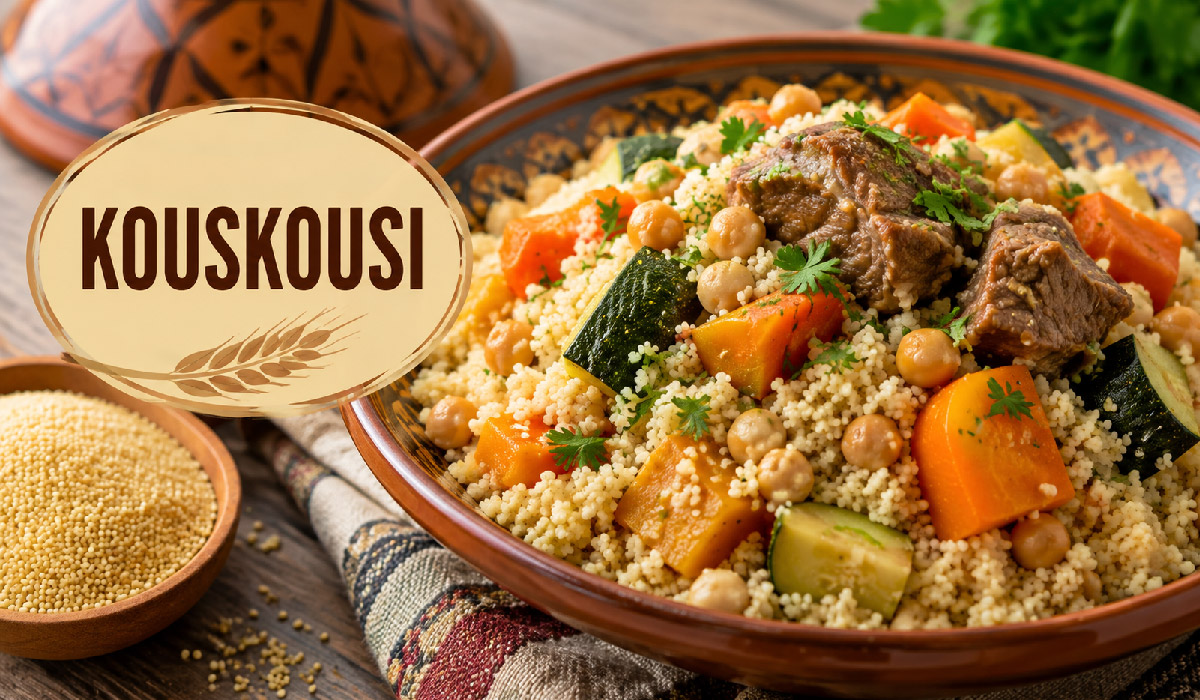
Kouskousi is a small, traditional Greek pasta that deserves more attention than its modest appearance might suggest. Its tiny rounded shape, simple wheat-based character, and ability to absorb flavorful cooking liquids have made it useful in comforting home-style dishes. Greek cuisine contains a wide range of regional pasta shapes, including small forms used in soups, sauces, meat dishes, and family meals.
The name can be confusing because it resembles the word “couscous,” yet Greek versions can refer to a small pasta that is cooked by boiling rather than prepared like traditional North African couscous. The exact ingredients and shape can vary by producer and region, which is why understanding the food requires looking beyond its name.
This guide explores its meaning, origins, ingredients, preparation, taste, culinary uses, nutritional considerations, and place in Greek food culture. It also explains why it is sometimes confused with couscous and how home cooks can use it successfully in modern recipes.
What Is Kouskousi?
Kouskousi is a culinary term whose meaning can vary depending on the region and context. In many references, it is used as a spelling variation or regional name connected with couscous, the well-known North African food made from tiny granules of durum-wheat semolina. The semolina is traditionally formed into small particles and steamed, then served with vegetables, legumes, meat, seafood, or flavorful broth.
The term can also refer to a small, rounded pasta in some Greek culinary traditions, where it is cooked more like pasta or added to soups and stews rather than prepared through the traditional North African steaming method. This regional difference explains why online definitions of Kouskousi sometimes appear contradictory. Therefore, when encountering the word, the recipe, country, and cooking method are useful clues for determining which food is being discussed.
Understanding the Small Greek Pasta
Kouskousi generally refers in Greek culinary contexts to a small, rounded pasta that resembles tiny beads or grains. Many commercial varieties are produced from durum wheat semolina and water, although traditional regional versions may include ingredients such as eggs, milk, flour, or salt. A Greek pasta producer, for example, lists a version made from 100% durum wheat semolina with a boiling time of around 11 to 13 minutes.
Its compact shape gives it an advantage in everyday cooking because it can become tender relatively quickly while taking on the flavors surrounding it. Greek traditional pasta is often made with a small number of straightforward ingredients, reflecting a broader culinary tradition built around wheat, eggs, milk, and careful home preparation.
Why Its Appearance Can Be Misleading
At first glance, the tiny pasta pieces can easily be mistaken for couscous or another grain-based ingredient. That visual similarity is responsible for much of the confusion surrounding the name. However, food products that look similar can have different manufacturing processes and therefore require different cooking methods.
The Greek pasta interpretation is generally handled more like pasta, meaning it can be boiled or cooked directly in broth. North African couscous traditionally follows a different process in which semolina is formed into granules and steamed. Recognizing this distinction is particularly important when adapting recipes from different culinary traditions.
The History and Cultural Background
The history of Kouskousi is best understood through the wider Mediterranean tradition of semolina-based foods. When the term refers to couscous, its roots are strongly associated with North African Berber communities, although historians continue to debate its exact date and place of origin. Archaeological evidence and historical research point to very old couscous-making traditions, while written recipes appear in medieval Arabic cookbooks. The food eventually spread across the Mediterranean through migration, trade, and cultural exchange.
Traditional Greek Pasta-Making
The story of this pasta belongs within the larger history of Greek homemade pasta. Across Greece, families developed regional pasta shapes according to local ingredients, cooking traditions, storage needs, and household habits. Government agricultural information notes that nearly every part of Greece has traditional pasta variations, demonstrating how deeply these foods are connected with regional identity.
Before commercially produced pasta became widely available, homemade pasta was an important seasonal household activity. Traditional accounts describe women preparing pasta during the summer months after harvesting, when wheat and other ingredients were available. The finished pasta could then be dried and stored for later meals, providing a practical source of food during the year.
Regional Food Traditions and Family Tables
Small pasta shapes became particularly valuable because they were economical, versatile, and easy to combine with ingredients already available in the household. Greek cooking has long used pasta with tomato sauces, dairy products, meat, seafood, legumes, vegetables, and soups. This flexibility helped traditional pasta remain relevant even as cooking habits changed.
The cultural importance is therefore not simply about the pasta itself. It is about the wider Greek tradition of turning basic ingredients into satisfying meals. A bowl of pasta cooked in broth can represent practicality, hospitality, family cooking, and regional food knowledge at the same time.
How Kouskousi Is Made and Prepared
Kouskousi can be prepared differently depending on the culinary tradition being discussed. When it refers to North African couscous, the process traditionally begins with durum-wheat semolina, which is mixed with a small amount of water and rolled into tiny granules. The grains are then steamed, traditionally in a special two-part pot called a couscoussier. After steaming, the couscous may be loosened and steamed again to create a light, fluffy texture. It is commonly served with vegetables, chickpeas, meat, seafood, or a flavorful broth.
Ingredients Used in Traditional Varieties
The basic ingredients depend on the specific product. Commercial Greek versions can be extremely simple, with durum wheat semolina and water forming the foundation. Other traditional products may contain flour, semolina, eggs, milk, and salt, giving them a richer flavor and slightly different texture.
This variation explains why two products carrying similar names may not cook in exactly the same way. Anyone buying a regional or handmade variety should check the package ingredients and preparation instructions. This is especially important for people avoiding gluten, eggs, or dairy, because traditional recipes are not necessarily identical from one producer to another.
Cooking the Pasta Correctly
The simplest approach is to follow the instructions supplied with the particular product. Many Greek versions are boiled or simmered until tender, with some commercial varieties requiring roughly 11 to 14 minutes. Cooking directly in broth can add flavor because the pasta absorbs some of the liquid as it softens.
Care is needed because small pasta absorbs liquid quickly. Leaving it in a hot soup or sauce for too long can make it overly soft. For dishes that need to sit before serving, it is often useful to monitor the texture closely and provide enough liquid to prevent the pasta from becoming dry or sticky.
Taste, Texture, and Culinary Uses
Kouskousi has a mild, slightly nutty flavor that allows it to absorb the taste of the ingredients, herbs, sauces, and broths served with it. When prepared as traditional couscous, the grains should be light, fluffy, and tender, with a delicate texture that contrasts nicely with vegetables, chickpeas, or meat. Its relatively neutral flavor makes it a versatile base for both richly seasoned dishes and lighter meals.
What Does It Taste Like?
On its own, kouskousi has a mild wheat and pasta flavor rather than a strongly seasoned taste. This neutral character is one of its greatest strengths because it allows the ingredient to take on the flavor of broth, tomato, herbs, vegetables, cheese, meat, or other ingredients in the dish.
Properly cooked pieces should be tender while retaining some structure. Their small size gives them a pleasant mouthfeel without becoming as substantial as large pasta shapes. The result works especially well in comforting dishes where the pasta is expected to complement rather than dominate the main ingredients.
Traditional and Modern Serving Ideas
In Greek cooking, small traditional pasta shapes can be served with sauces, meat, seafood, legumes, soups, and vegetables. Greek culinary sources describe traditional pasta as suitable for both everyday meals and more substantial family gatherings, often accompanied by cheese, red or white sauces, meat, seafood, or legumes.
Modern cooks can also adapt it for vegetable soups, baked pasta dishes, warm salads, tomato-based meals, and simple side dishes. Its ability to absorb surrounding flavors makes it useful when a recipe needs a small pasta shape that can blend naturally with the rest of the ingredients.
Kouskousi vs Couscous: Understanding the Difference
Kouskousi and couscous are closely related terms, but they do not always describe exactly the same food. Couscous most commonly refers to the North African staple made from tiny steamed semolina granules. It is traditionally associated with Maghrebi cuisines, particularly those of Morocco, Algeria, and Tunisia, and is commonly served with vegetables, meat, legumes, or a flavorful stew.
Similar Names, Different Culinary Traditions
The biggest source of confusion is the relationship between kouskousi and couscous. Both names are associated with small wheat-based foods, and their appearance can be similar. The two ingredients can sometimes work in similar dishes, but they should not automatically be substituted without considering the cooking method.
Choosing the Right Ingredient for a Recipe
When a recipe specifically calls for Greek small pasta, checking the package instructions is the safest approach. Using the wrong product can alter the liquid balance, cooking time, and texture of the finished dish.
The distinction is also useful when shopping internationally. Similar spellings may appear on different products, and regional terminology is not always consistent. Looking at the ingredients, shape, and preparation instructions gives a much clearer picture than relying on the name alone.
Nutritional Profile and Everyday Food Value
Kouskousi, particularly when referring to traditional couscous made from durum-wheat semolina, is primarily a carbohydrate-rich food that can provide useful energy as part of a balanced meal. It also contains some plant-based protein and small amounts of fiber, vitamins, and minerals.
Wheat, Carbohydrates, and Portion Size
As a wheat-based pasta, kouskousi is primarily a source of carbohydrates and can provide energy as part of a balanced meal. Its nutritional value depends heavily on the ingredients used, serving size, and what accompanies it. A simple semolina-based version will have a different nutritional profile from a traditional variety containing eggs or milk.
The most useful way to view it is as one component of a complete meal rather than a standalone source of nutrition. Combining a moderate portion with vegetables, legumes, lean protein, herbs, or other nutrient-rich ingredients can create a more balanced plate.
Dietary Considerations
Egg and dairy ingredients can also vary. Some traditional products contain eggs or sheep’s milk, while other commercial versions may use only durum wheat semolina and water. For that reason, the label is more reliable than assumptions about what the name means.
Conclusion
Kouskousi represents a fascinating part of Greek pasta culture because it combines simplicity, practicality, and regional culinary tradition in one small shape. Understanding its ingredients and cooking method makes it much easier to appreciate the food beyond its unusual name. Whether purchased as a modern packaged pasta or encountered through a traditional regional recipe, it offers a useful connection between historic Greek home cooking and contemporary Mediterranean cuisine. Its mild taste, compact shape, and ability to absorb surrounding flavors make it an ingredient worth exploring for anyone interested in traditional Greek food.
FAQs
What is Kouskousi?
Kouskousi commonly describes a small, rounded Greek pasta associated with traditional cooking.
What is Kouskousi made from?
Many commercial Greek varieties use durum wheat semolina and water. Traditional regional products may also contain flour, eggs, milk, and salt, so ingredients can differ between products.
How long does Kouskousi take to cook?
Cooking time depends on the product. Some Greek commercial varieties recommend approximately 11 to 14 minutes of boiling, but package instructions should always take priority.
What does Kouskousi taste like?
It generally has a mild wheat flavor and a tender pasta texture. Because it is relatively neutral, it readily absorbs the flavors of broth, tomato sauce, vegetables, herbs, cheese, and meat.
Can Kouskousi be used in soup?
Yes. Its small shape makes it particularly suitable for soups and broth-based dishes. It can cook directly in the liquid and absorb some of the surrounding flavor.
Is Kouskousi gluten-free?
Traditional wheat-based versions are not gluten-free. Anyone avoiding gluten should carefully check the ingredient label and choose a certified gluten-free alternative when appropriate.
Can Kouskousi replace orzo?
It can sometimes replace orzo depending on the recipe, although the two shapes are different.
Is Kouskousi traditional Greek food?
Yes, small pasta forms are part of Greece’s broader traditional pasta culture. Greek culinary sources identify kouskousaki alongside other regional pasta varieties used in everyday and celebratory cooking.

-

 Fashion2 days ago
Blazertje: Complete Style Guide for Every Occasion and Season
-

 Culture2 days ago
Anheihe: A Hidden Beautiful Place in Modern Culture and History
-

 Technology1 week ago
Weakspurn.com: A Safety Guide Protecting Yourself on Unknown Sites
-

 Technology2 days ago
Inurl:megazee.com: What Users Are Saying About the New Digital Platform
-

 Entertainment5 days ago
What Is CricFooty? The Ultimate Hub for Live Sports Updates
-

 History4 days ago
Cumhuritey: The History and Evolution of Turkey’s Iconic Daily
-

 Health4 days ago
Sosoactive Co: Finding the Perfect Fit for Your Training Routine
-

 Technology2 days ago
Nebs6ak: How can it Transforming Industries One Step at a Time
-

 Health2 days ago
Harmoniclast.com: A Resources For Wellness and Balance in Daily Life
-

 Business2 days ago
Kársperski: The Journey of a Digital Security Pioneer
-

 Technology3 days ago
What is Incestflox? The Full Breakdown and Informational Summary
-

 Technology33 minutes ago
Nelonium: The Future of Energy Solutions Technology